VOV.VN - Each Lunar New Year, as peach blossoms in the north and apricot flowers in the south brighten the streets, Vietnam traditionally greets spring with optimism. But Spring 2026 carries a significance that extends beyond seasonal renewal.
According to Professor Dr. Vu Van Hien, the country is entering what he describes as a “new era of national ascent” - a historical inflection point shaped by four decades of economic reform, expanding global integration and an increasingly ambitious development vision.
From reform to strategic positioning
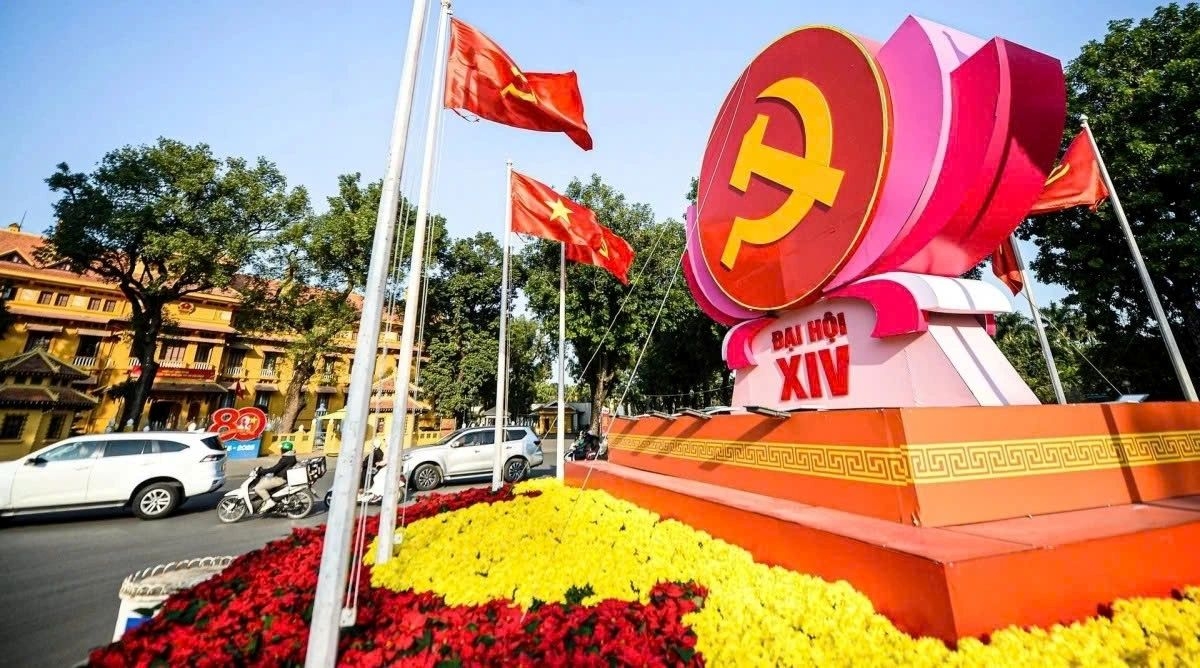
The 14th National Congress of the Communist Party of Vietnam, taking place in Hanoi from January 19-23, 2026, marks the beginning of a new era for the country, following the reform process initiated in 1986
Vietnam’s modern trajectory has often coincided with moments of renewal. The founding of the Communist Party in 1930, national reunification in 1975, and the launch of the Đổi mới (Renovation) reform in 1986 all marked decisive turning points.
Nearly 40 years after Đổi mới transformed Vietnam from a centrally planned system into one of Asia’s fastest-growing economies, the country now stands at another juncture.
Over the past four decades, Vietnam has moved from post-war reconstruction and poverty reduction to becoming a critical link in global supply chains. Its economic strength today is reflected not only in GDP growth, but also in expanding strategic infrastructure characterised by deep-sea ports, transnational expressways and a rapidly evolving digital economy.
The shift, Prof. Dr. Hien notes, is qualitative as much as quantitative. Earlier phases prioritised stability and resilience. The next phase aims for innovation and higher value creation, including participation in frontier sectors such as artificial intelligence, green technology and semiconductors.
A favourable external environment
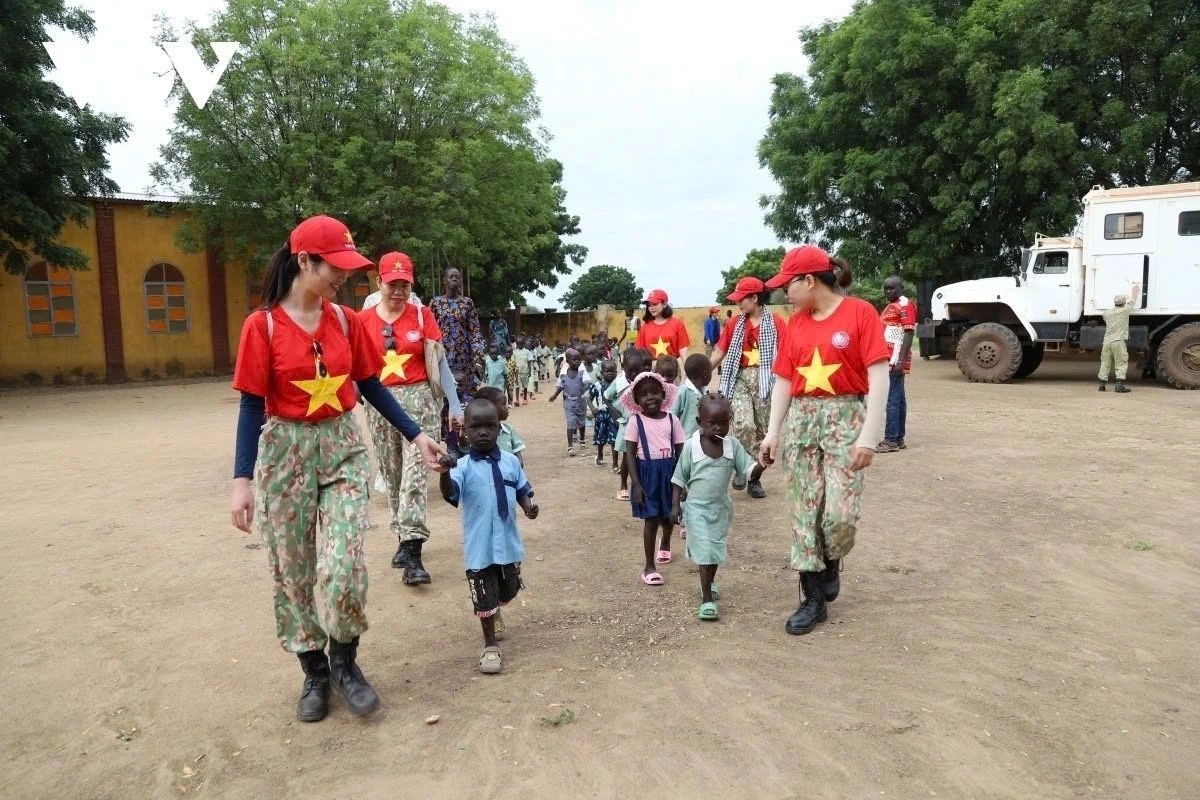
Vietnamese peacekeepers are serving in the United Nations Interim Security Force for Abyei (UNISFA), contributing to international peace and stability efforts
Vietnam’s diplomatic position has also strengthened. In recent years, the country has elevated ties with multiple major powers to comprehensive strategic partnerships, while maintaining an independent foreign policy framework.
This network of relationships provides not only economic opportunities but also strategic space, enabling Vietnam to balance national sovereignty with deeper global integration. The country has become an increasingly visible voice in multilateral forums and a trusted destination for foreign investment.
Such positioning, combined with domestic reforms, creates what Professor Hien calls a “convergence moment” when accumulated economic, institutional and diplomatic capital reaches a critical threshold.
Vision toward 2045
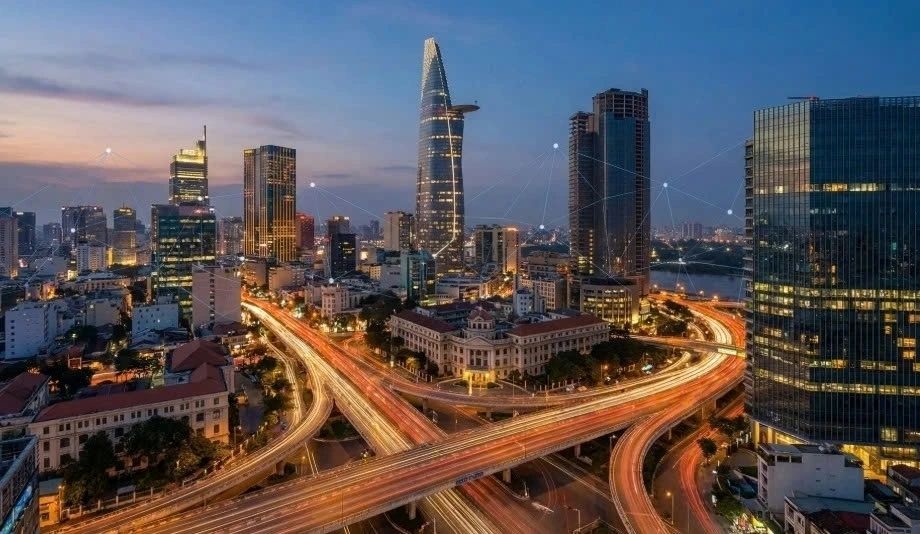
Ho Chi Minh City is positioned to spearhead Vietnam’s next phase of development as a centre for innovation and global integration, driving growth across the wider region and nationwide
The 14th National Congress of the Communist Party of Vietnam, taking place amid these transitions, sets a long-term orientation extending to 2045, the centenary of modern Vietnam’s founding.
Rather than focusing solely on five-year cycles, the congress outlines a broader ambition: to prevent middle-income stagnation, accelerate institutional reform and ensure Vietnam does not miss the opportunities of the Fourth Industrial Revolution.
Central to this strategy is strengthening governance quality, deepening anti-corruption efforts and reinforcing public trust viewed as essential to sustaining reform momentum. Development gains must be translated into improvements in living standards, social equity and national cohesion.
While economic modernisation advances rapidly, Vietnam continues to frame growth within cultural continuity. Spring, in Vietnamese consciousness, symbolises renewal and collective vitality.
Today, that symbolism extends beyond celebration. Digital connectivity is narrowing gaps between rural and urban communities. Access to education, healthcare and public services is expanding, including in remote and border regions. Modernisation is unfolding alongside preservation of cultural identity.
Confidence without complacency
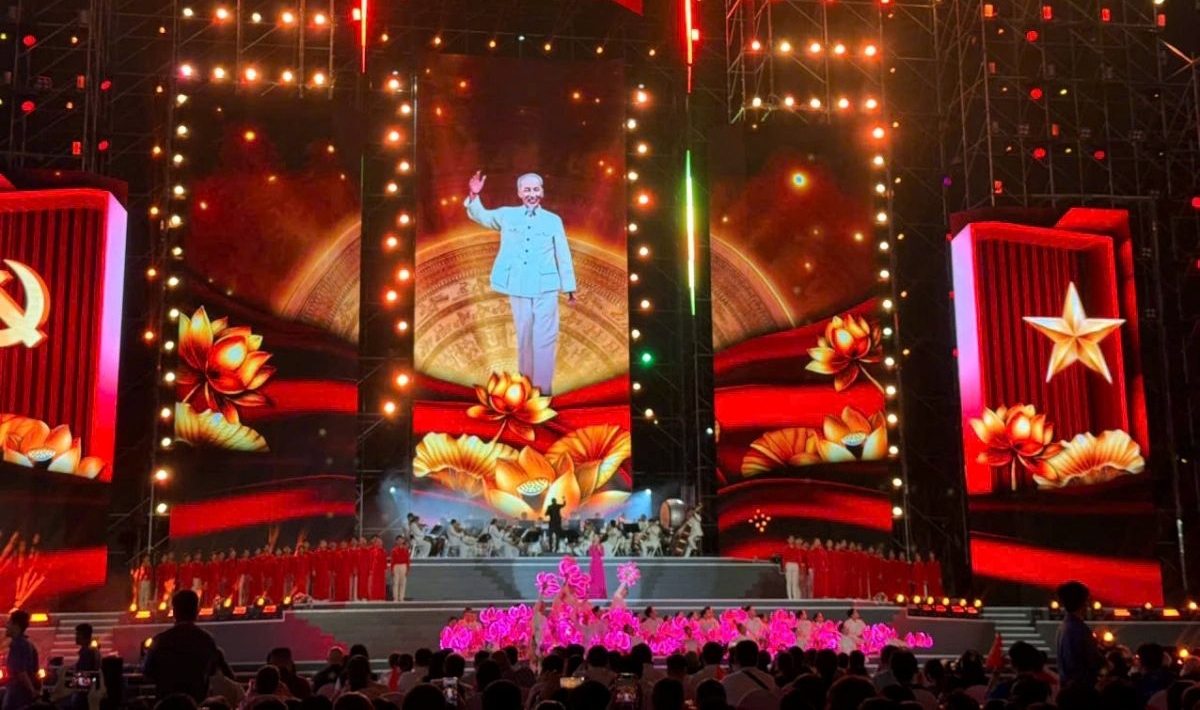
Vietnam enters a new era with confidence, drawing on decades of accumulated experience and resilience.
According to Prof. Dr. Hien, the narrative of a “new era” does not suggest inevitability. Rather, it reflects a confidence grounded in experience, a belief that decades of reform have built sufficient institutional and economic foundations for the next leap forward.
The coming phase, as articulated by the scholar, requires innovation-driven growth, skilled human capital and ethical governance. It also calls for a balance between ambition and prudence — confidence without complacency.
As Vietnam welcomes Lunar New Year 2026, the symbolism of spring converges with long-term strategy. The country is not simply marking another turn of the calendar, but positioning itself for what leaders describe as a period of accelerated and sustainable development.
If previous springs marked renewal, this one signals transformation - a season defined not only by blossoms, but by aspiration, resilience and strategic intent, says the scholar.
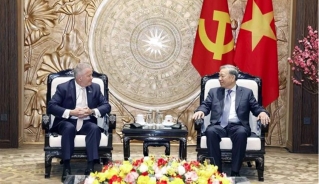
VOV.VN - Vietnam always regards the US as one of its leading important partners and is ready to expand cooperation across a variety of fields for the benefit of both nations’ people, while making positive contribution to peace, stability and prosperity in the region and the world.






Bình luận
Bình luận của bạn sẽ được xét duyệt trước khi đăng
Đang tải bình luận...