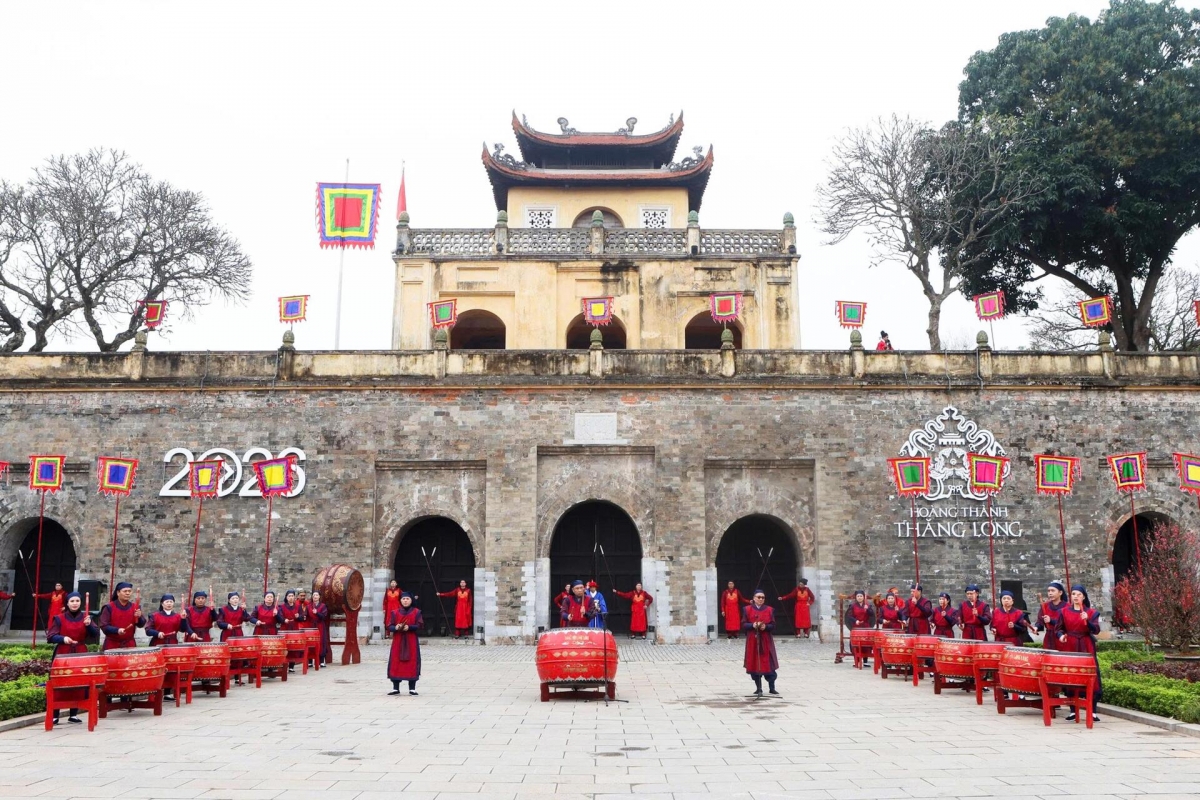
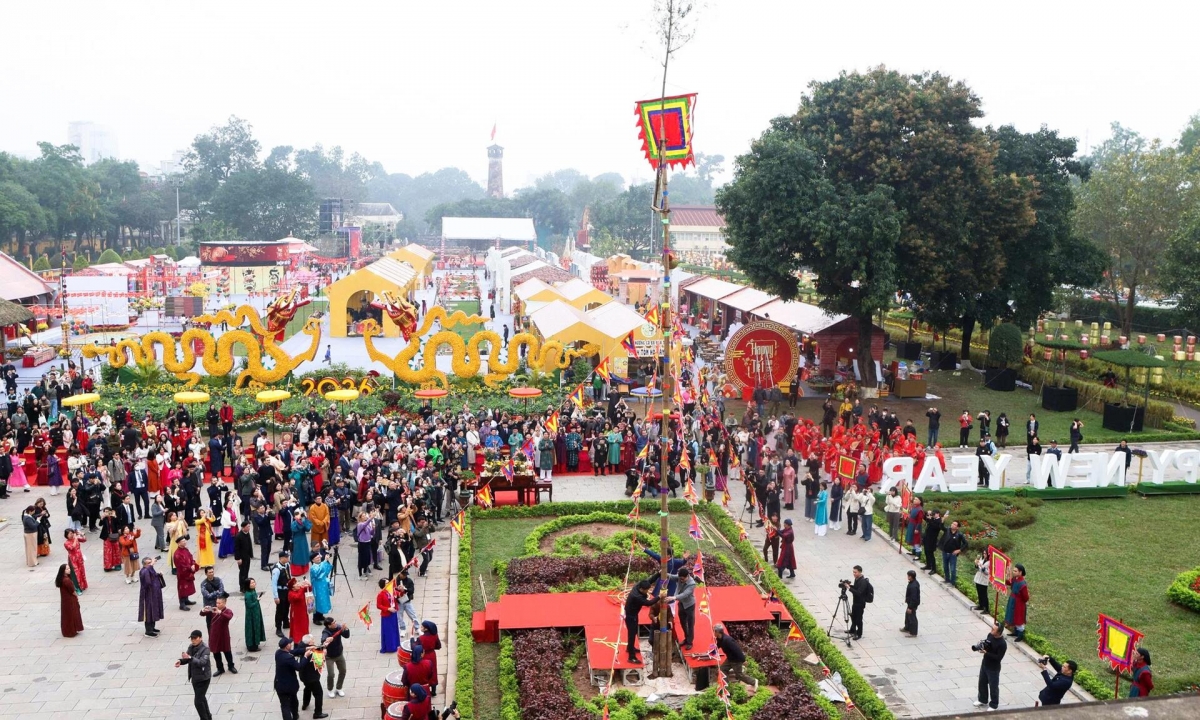
VOV.VN - The Thang Long–Hanoi Heritage Conservation Centre on February 10 hosted a re-enactment of the traditional “Tống cựu, nghinh tân” (farewell to the old, welcome the new) ritual at the Thang Long Imperial Citadel, offering visitors a glimpse into royal Tet festivities of the past.
The event is held on the 23rd day of the last lunar month as Vietnamese people observe Kitchen Gods Day. Known in Vietnamese folklore as Ông Công, Ông Táo, the Kitchen Gods are believed to oversee household affairs and family life throughout the year. The annual ceremony is held to bid them farewell as they journey to heaven to report on the family’s conduct, while households express hopes for peace, harmony and prosperity in the year ahead.
The series of activities is designed to revive Tet rituals once practiced at the Thang Long Imperial Citadel, helping the public gain a deeper understanding of traditional culture, rituals and ancestral heritage.
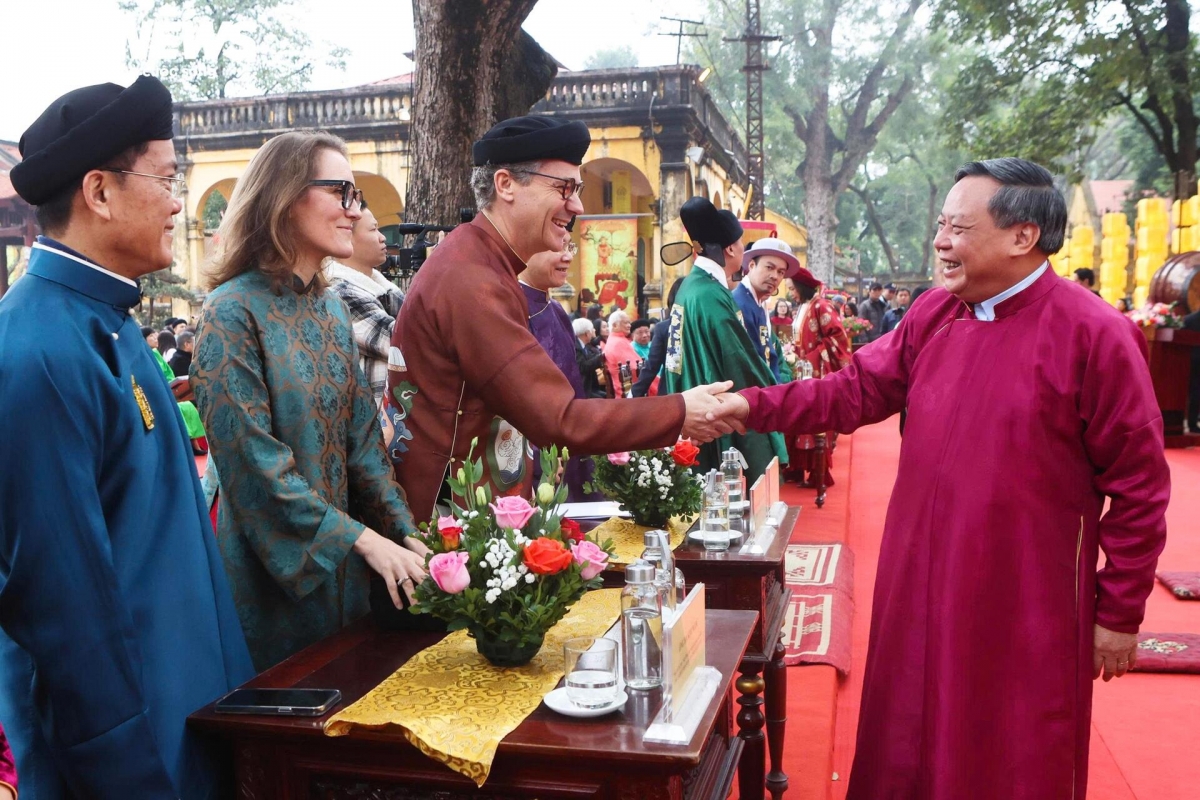
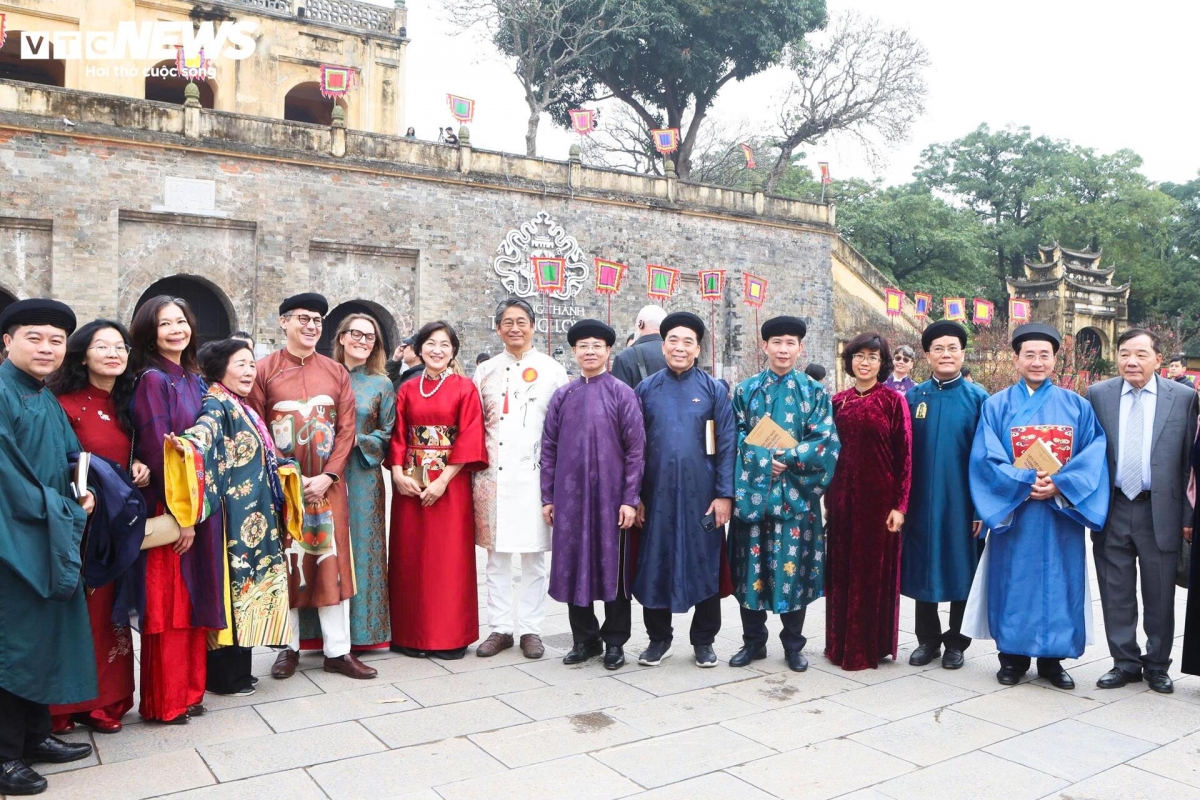
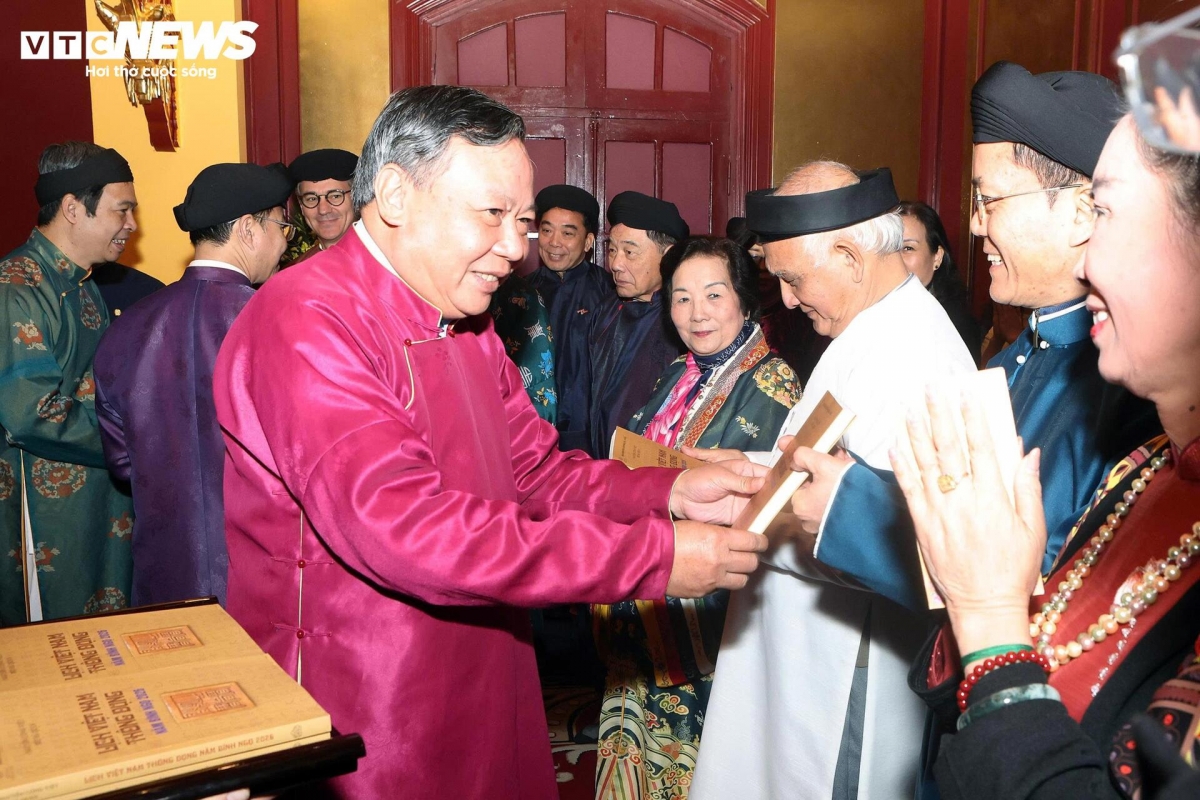
Nguyen Van Phong, Deputy Secretary of the Hanoi Party Committee and other delegates attend the programme.
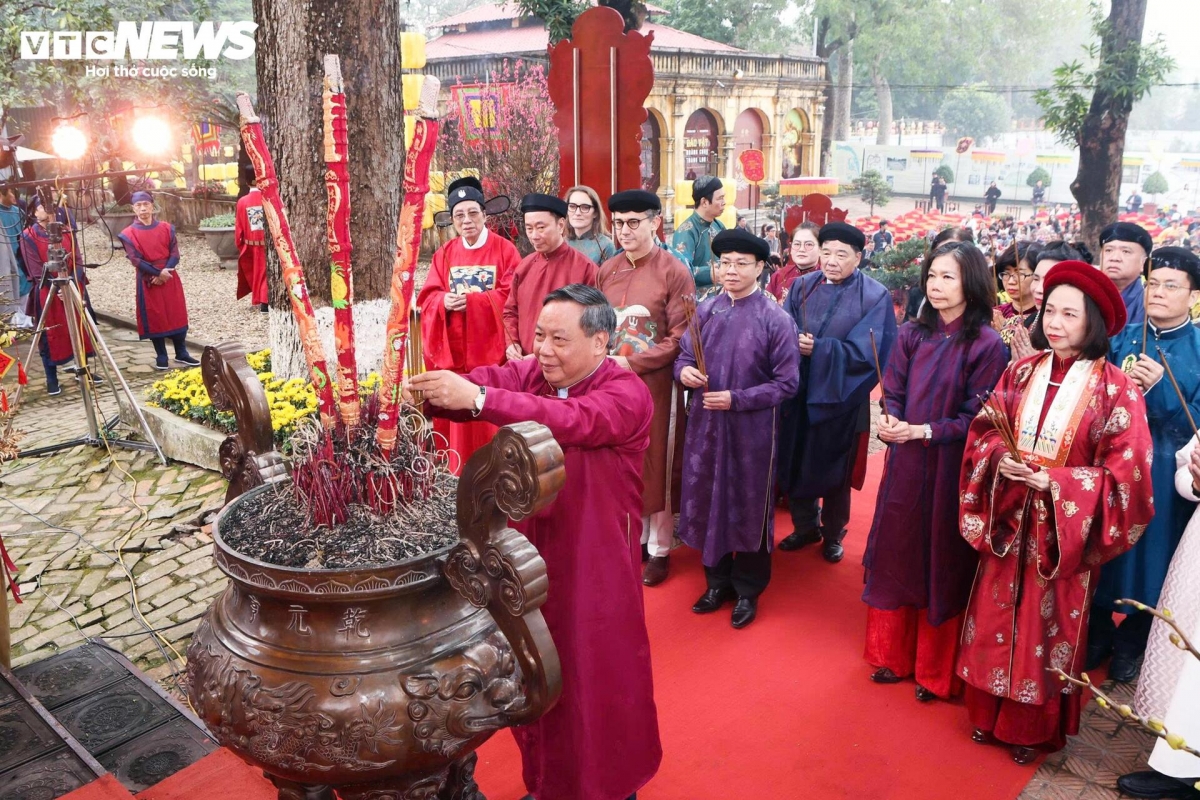
Delegates offer incense at the Kinh Thien Palace, the central part of the heritage site.
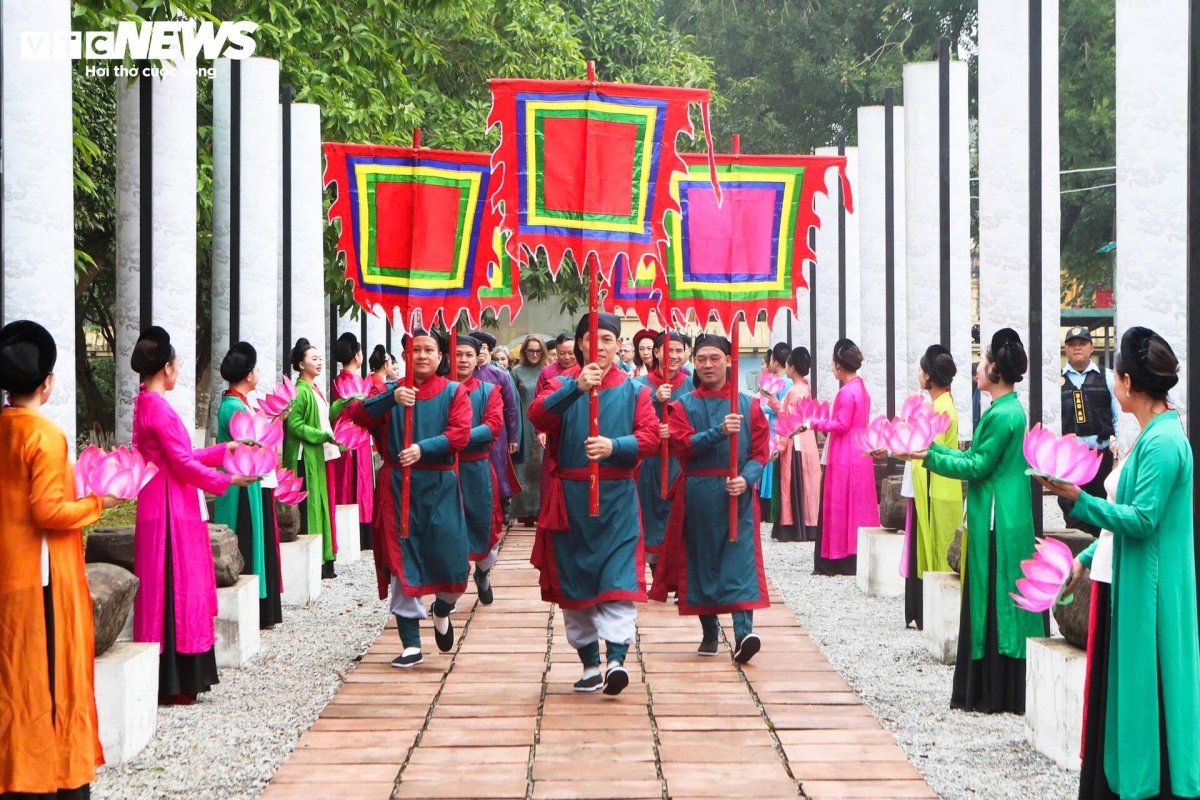
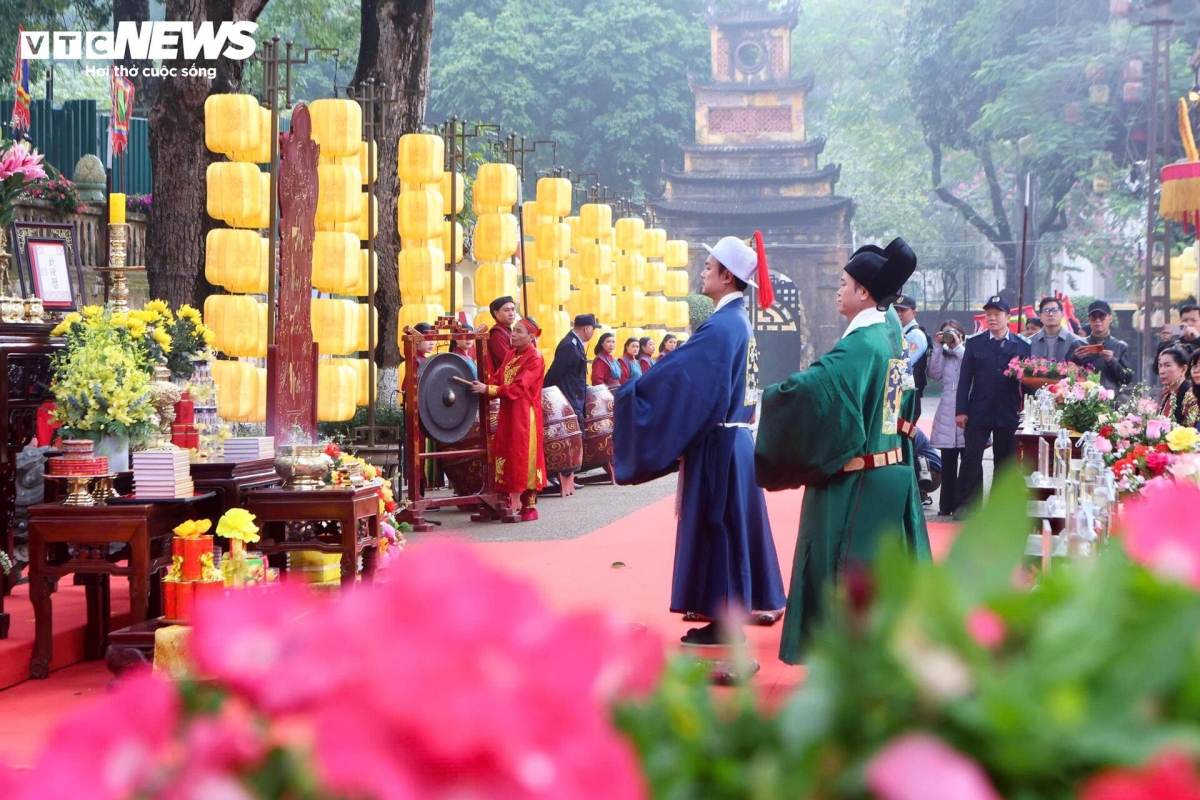
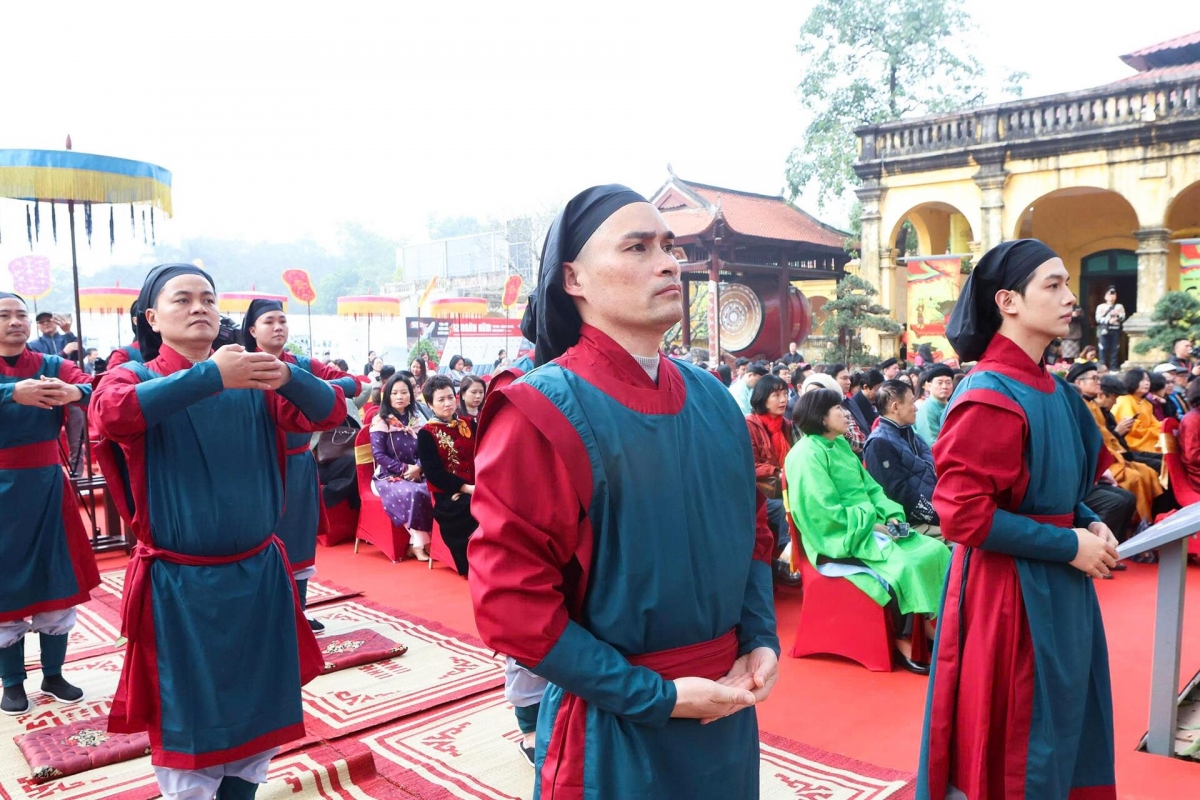
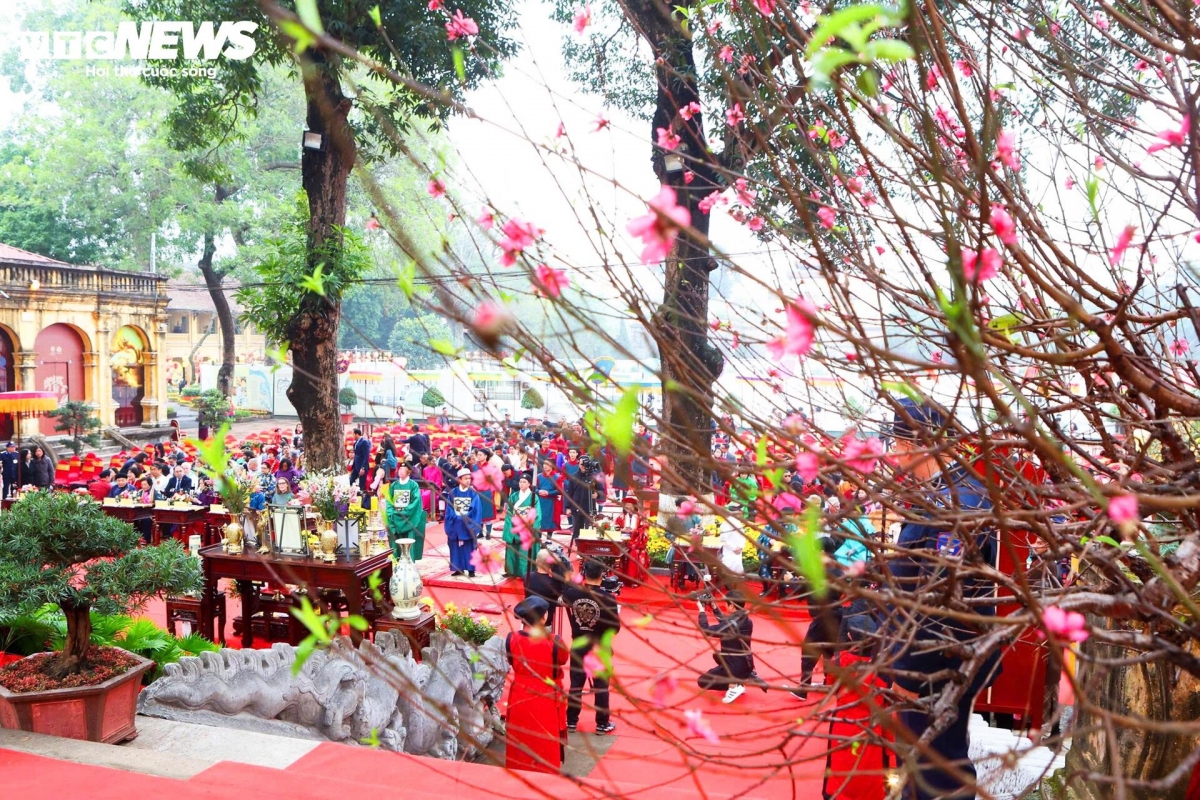
The event reenacts typical rituals of the Lunar New Year festival once held in the royal court, expressing the aspiration for national prosperity, social peace, and the well-being of the people.
The main activities consist of Lễ Tiến lịch (Calendar presentation ceremony), Lễ Thả cá chép tiễn ông Công ông Táo (Carp-releasing ceremony), Lễ Thướng tiêu (Neu pole erecting ceremony) and Lễ Đổi gác (Changing of the guard ceremony).
Tet has long been an important festival, embodying many unique customs of the Vietnamese people. At the Thang Long Imperial Citadel which is considered the centre of Vietnam's cultural heritage for thousands of years, Tet not only bears folk characteristics but also deeply reflects the royal court.
The traditional Tống cựu, nghinh tân (farewell to the old, welcome the new) ritual reflects the typical customs and both folk and royal traditions. This activity is significant in preserving traditional customs, while also contributing to educating the younger generation through hands-on experience.
Lễ Tiến lịch (Calendar presentation ceremony) reflects the importance the feudal court attached to calendar-making, which is closely linked to astronomical observation and weather forecasting in service of agricultural production and social life.
Lễ Tiến xuân ngưu which is a prayer for favourable weather and a bountiful harvest is practiced during the event.
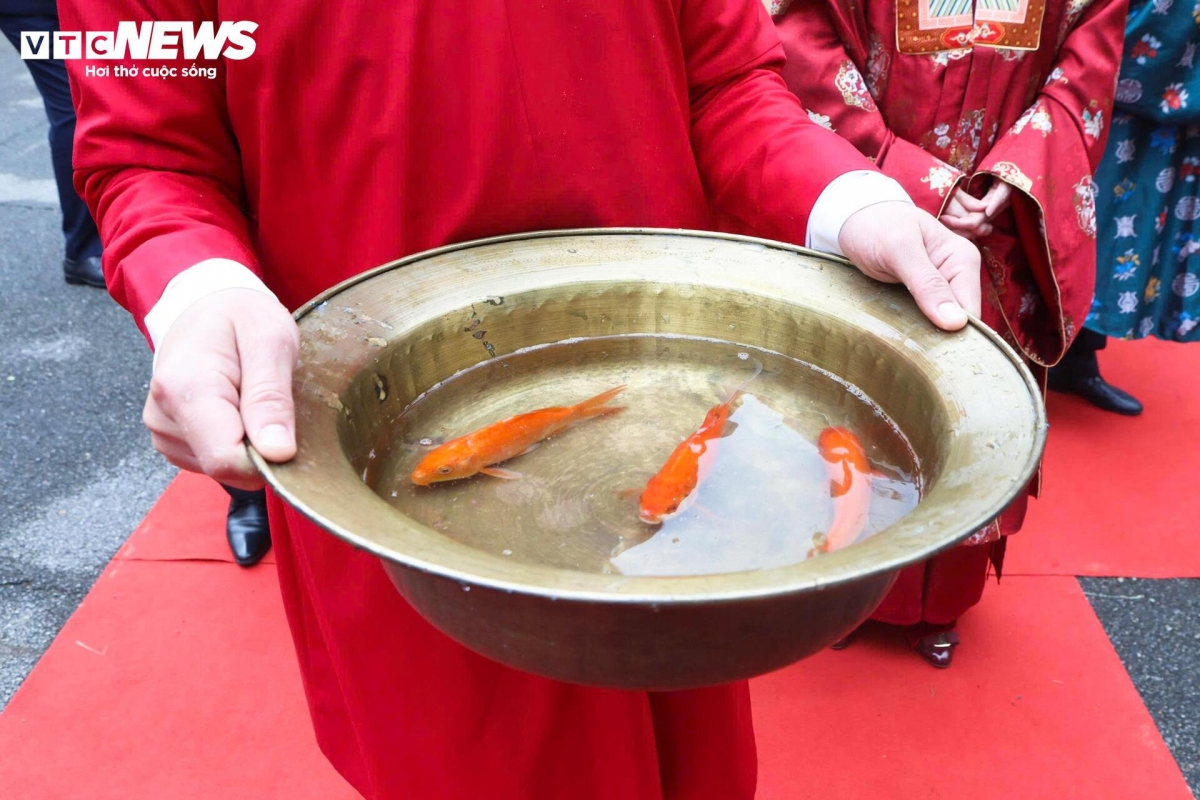
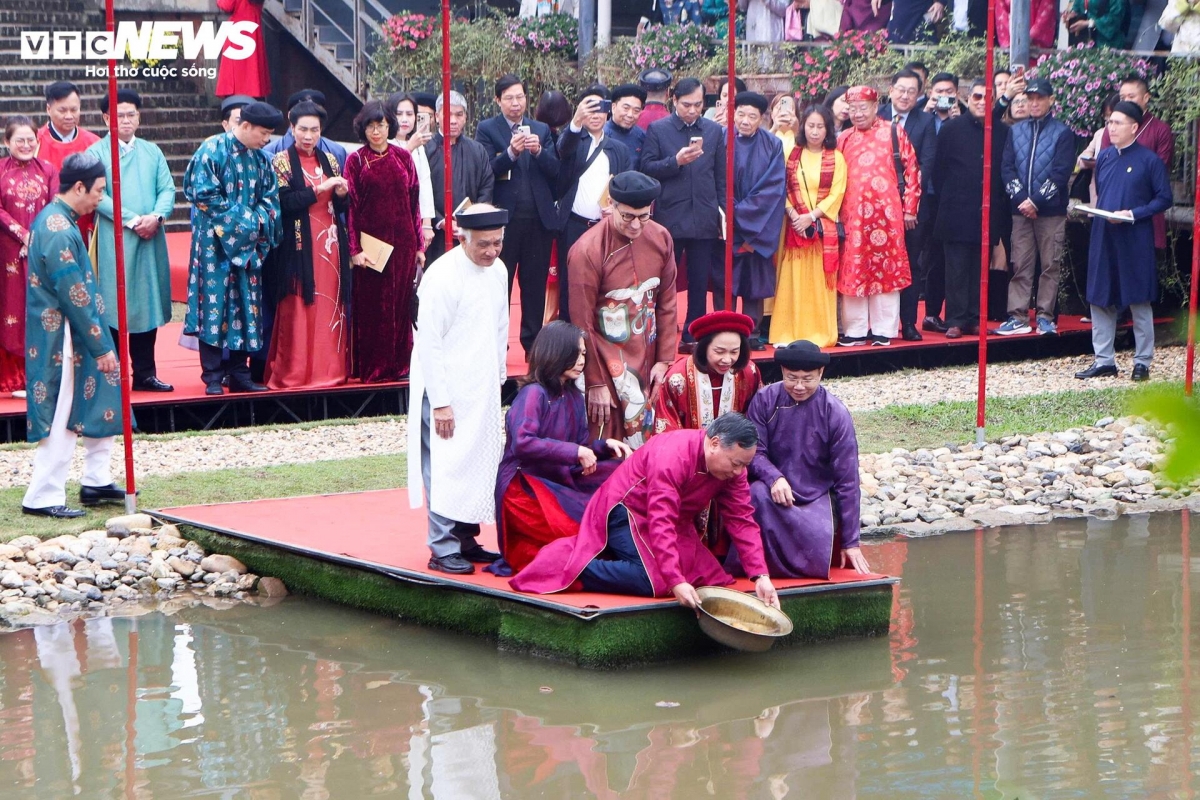
Lễ Thả cá chép tiễn ông Công ông Táo (Carp-releasing ceremony) is a familiar custom in Vietnamese life, expressing the wish for a prosperous and happy life.
Nguyen Van Phong, Deputy Secretary of the Hanoi Party Committee and delegates perform the carp-releasing ceremony.
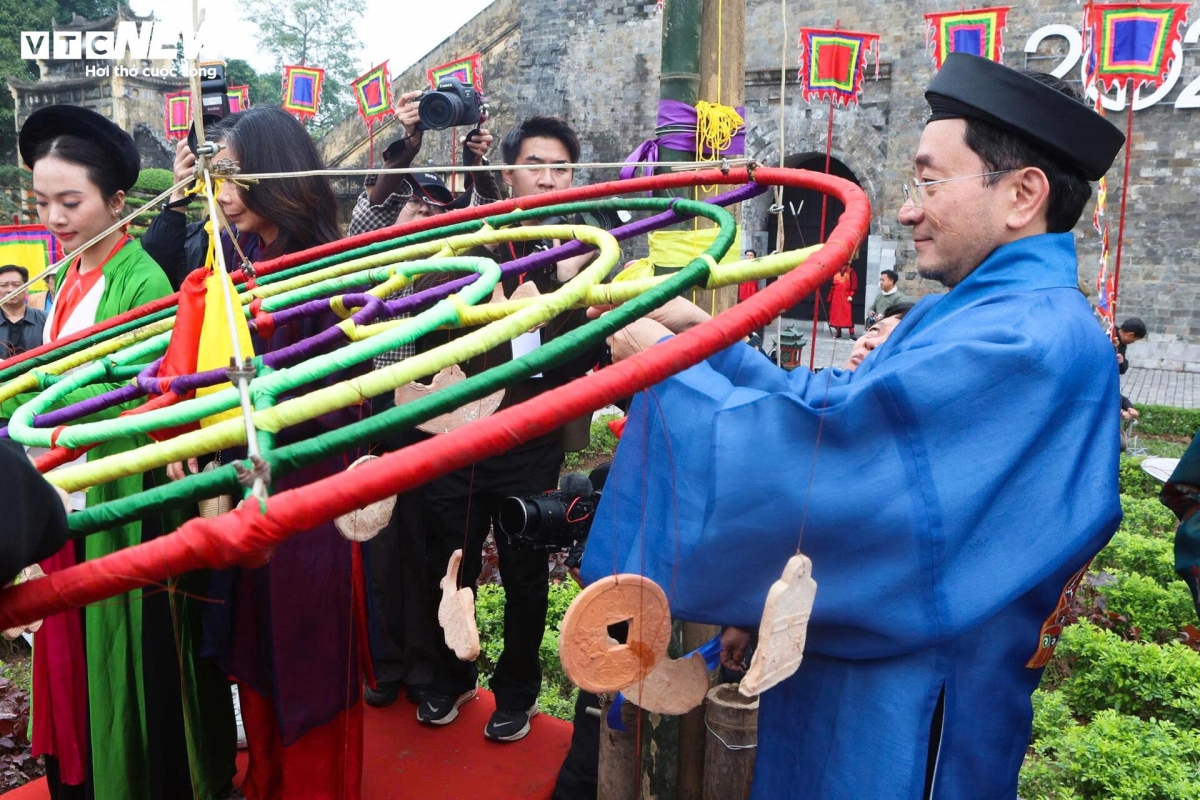
Lễ Thướng tiêu (Neu pole erecting ceremony) symbolises the warding off of evil spirits and prayers for a peaceful new year.
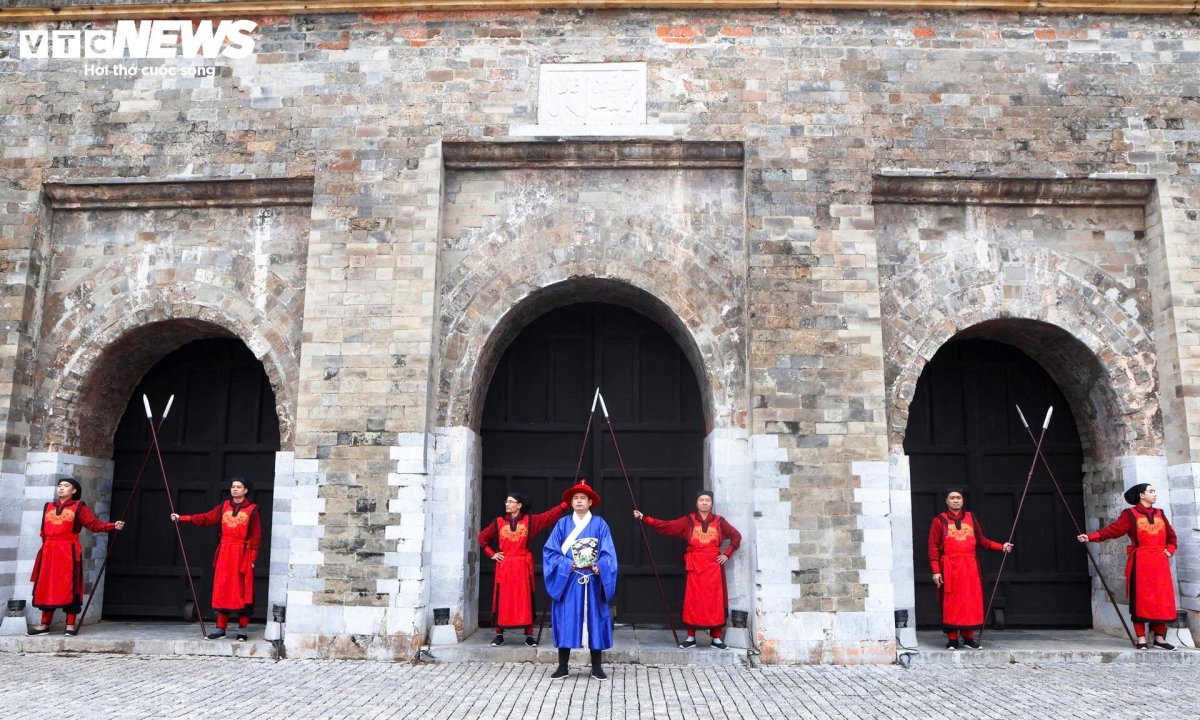
Lễ Đổi gác (Changing of the guard ceremony) recreates daily life within the royal court, contributing to drawing a complete picture of court life during the year-end period.



Bình luận
Bình luận của bạn sẽ được xét duyệt trước khi đăng
Đang tải bình luận...