VOV.VN - Traditional molasses workshops in Thach Binh commune, Thanh Hoa province, are running at full capacity ahead of the Lunar New Year, supported by abundant sugarcane resources and providing stable livelihoods for hundreds of local workers while preserving a traditional craft.
Thach Binh commune is widely known as a hub of traditional sugarcane molasses production. As the Lunar New Year 2026 approaches, the commune has entered its busiest season, with the sweet aroma of boiling molasses and light smoke rising from furnaces across the area despite the dry winter cold.
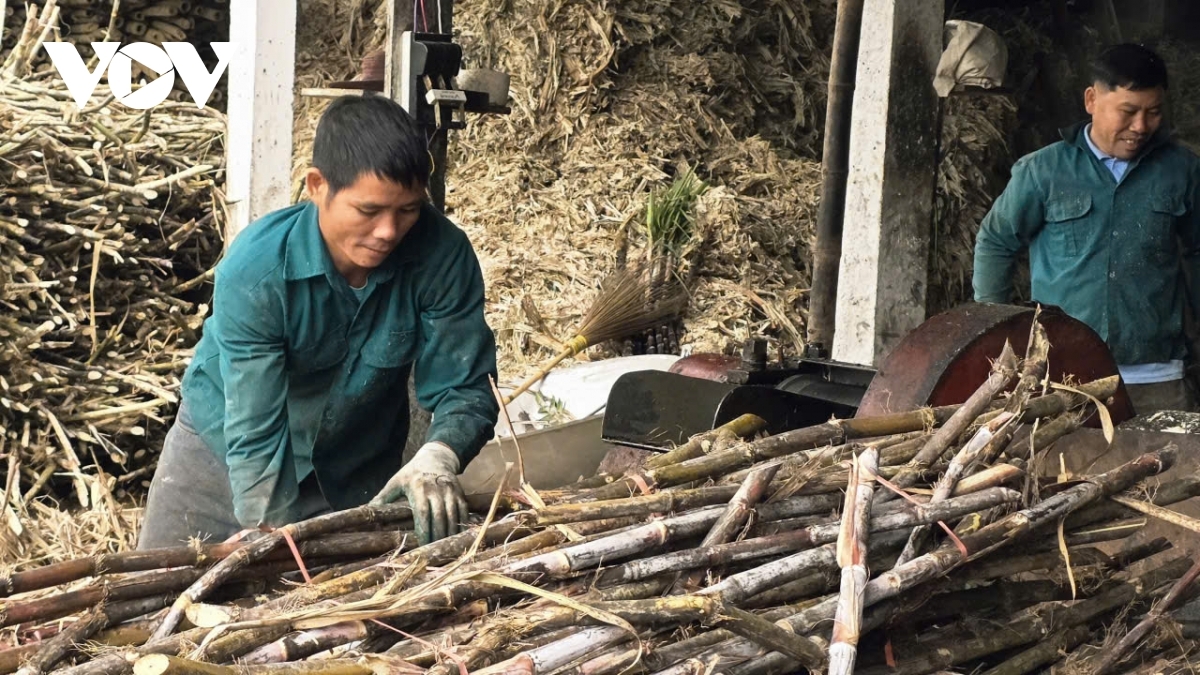
The craft has endured for generations, adapting through periods of economic and social change. While producers once relied on oxen or buffaloes to power wooden presses, mechanisation has since significantly increased productivity, helping sustain the traditional trade.
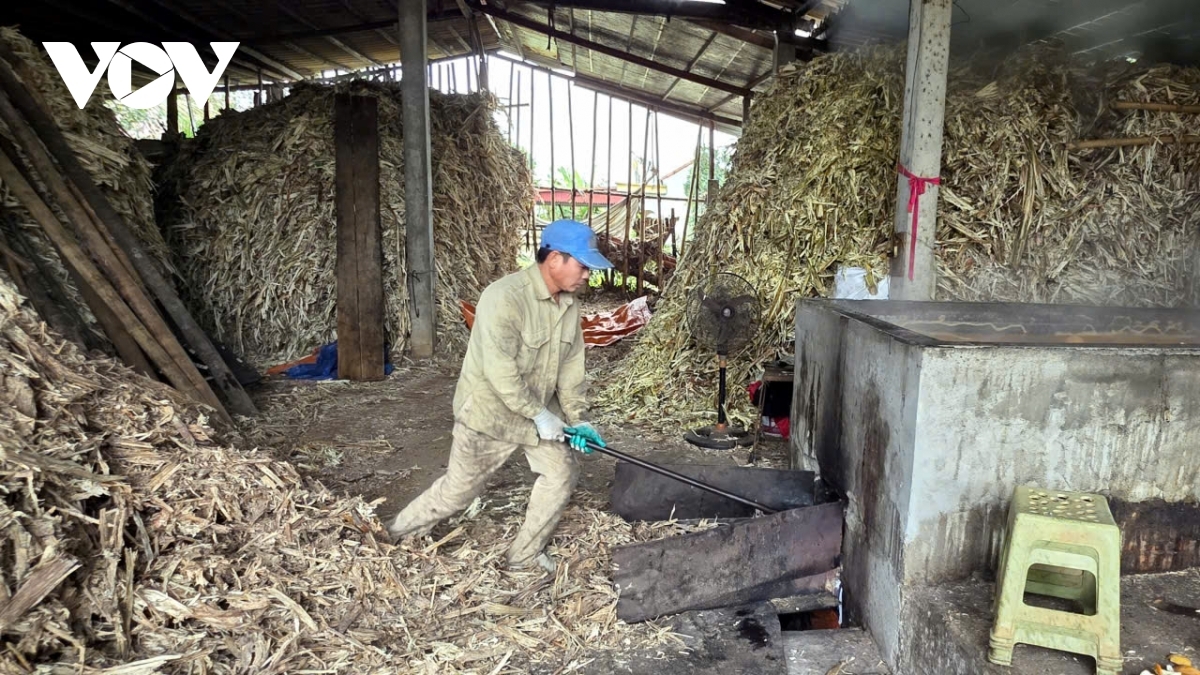
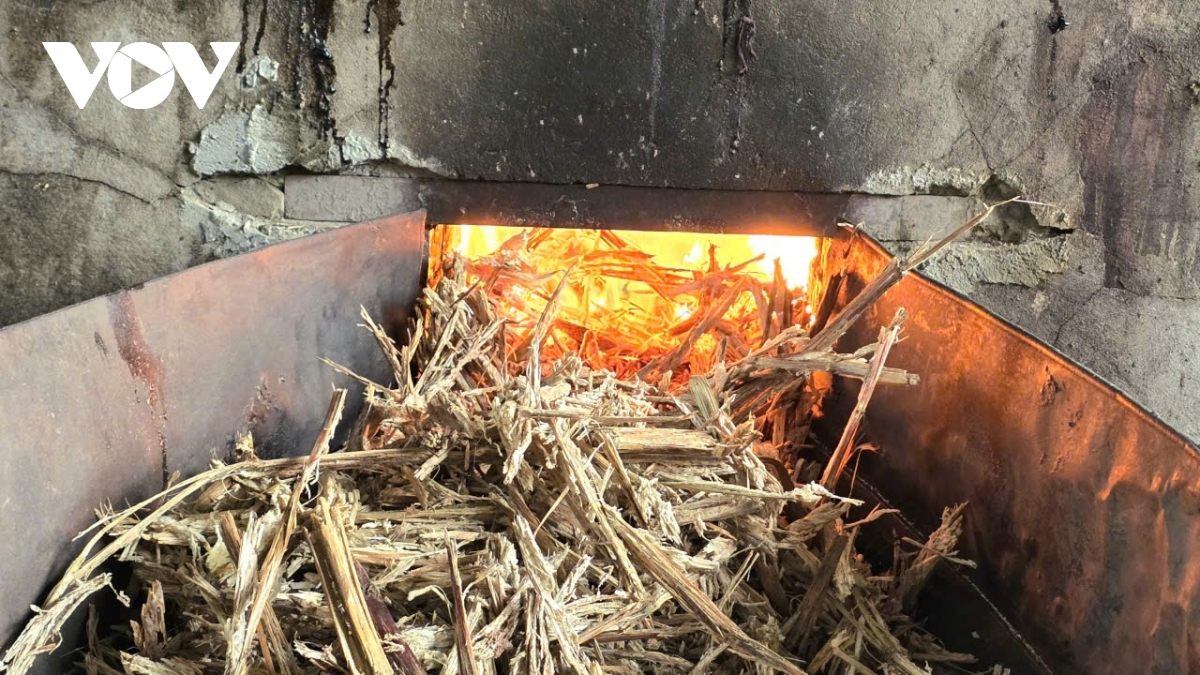
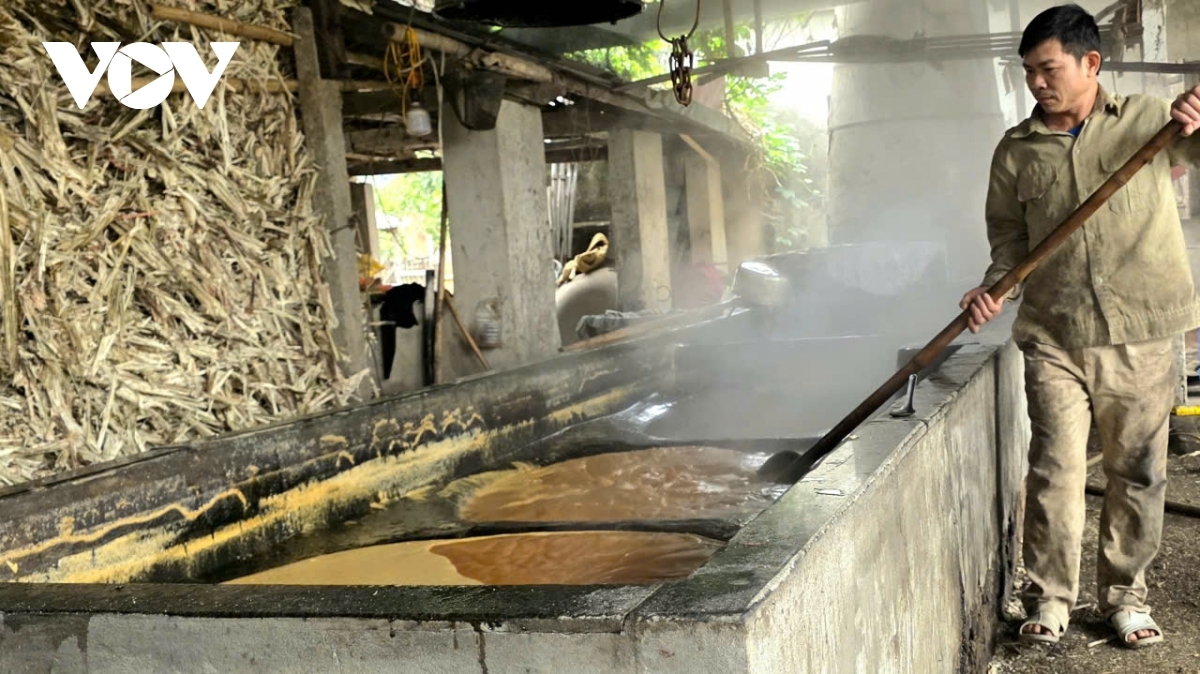
Fuelled by dry firewood or compressed sugarcane bagasse, furnaces are carefully tended to maintain steady heat as the juice begins to boil. Producers closely monitor the process to ensure the sugarcane juice simmers evenly without overflowing, marking the first stage of concentration in molasses production.
The peak sugarcane molasses season in Thach Binh commune typically begins in the 10th lunar month and runs through the end of the 12th lunar month. During this period, households are at their busiest, preparing fuel, furnaces and carefully selected raw materials to meet rising market demand ahead of the Lunar New Year.
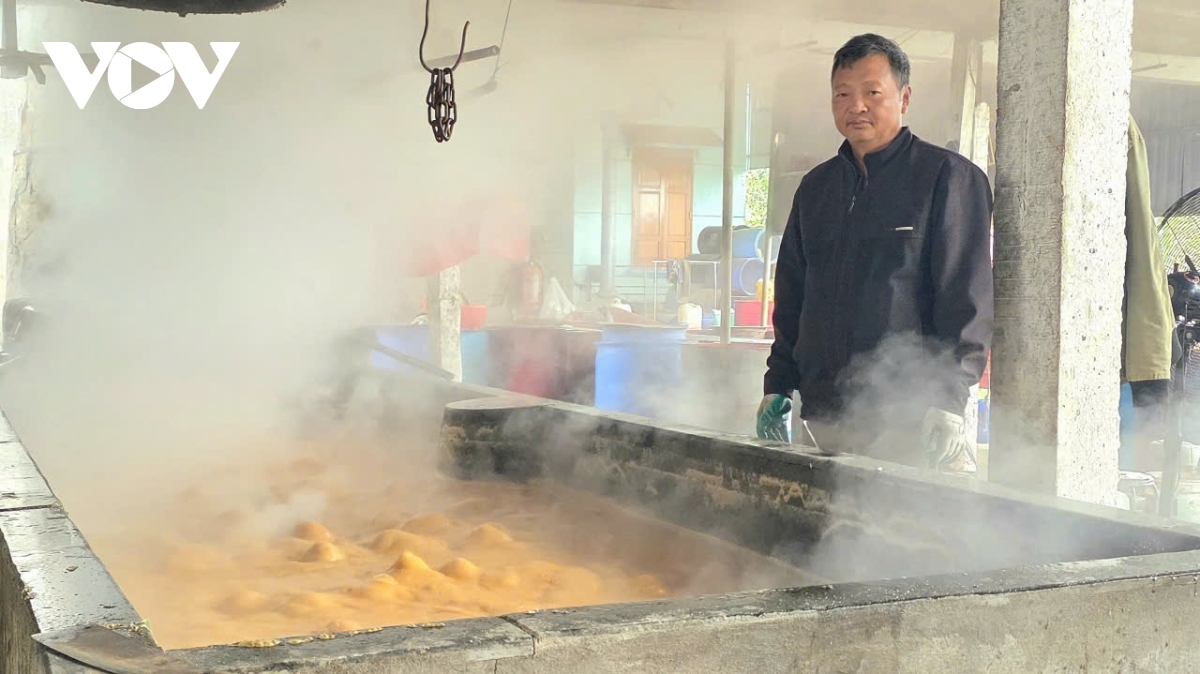
Tao Van Binh, a skilled molasses producer says he has returned to his hometown after years of working elsewhere to continue his family’s traditional craft. Although the work is seasonal, it provides a stable source of income, helping his family secure a steady income while creating jobs for four local workers, he says.
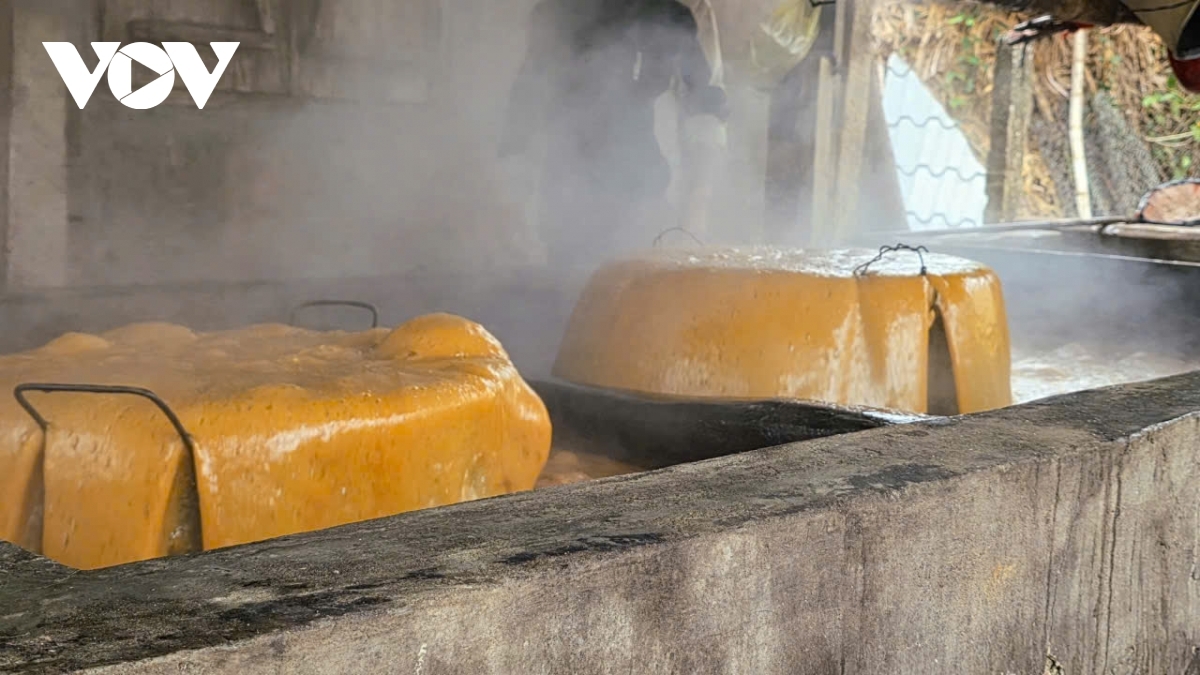
Each batch of molasses typically requires about three tonnes of sugarcane and involves continuous high-heat boiling and stirring for around eight hours. During the process, producers skim off foam once the juice reaches a certain temperature to ensure clarity and colour. When the molasses reaches the desired thickness, the heat is turned off and the product is left to cool before bottling.
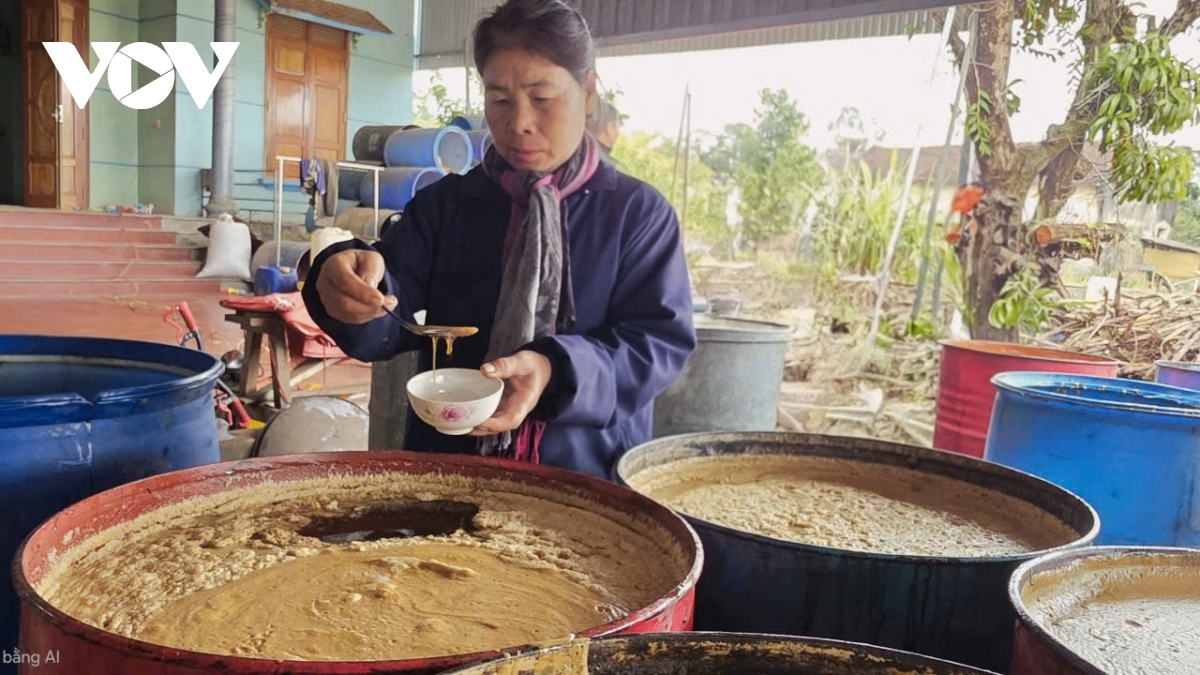
The most critical stage comes as the sugarcane juice begins to foam and thicken, settling toward the bottom of the pan. Workers swiftly skim off the white foam and filter the liquid through fine cloth to produce a dark brown, viscous molasses. “Good molasses should have a deep brown colour, a light aroma and a mild sweetness without a harsh aftertaste,” says a veteran producer.
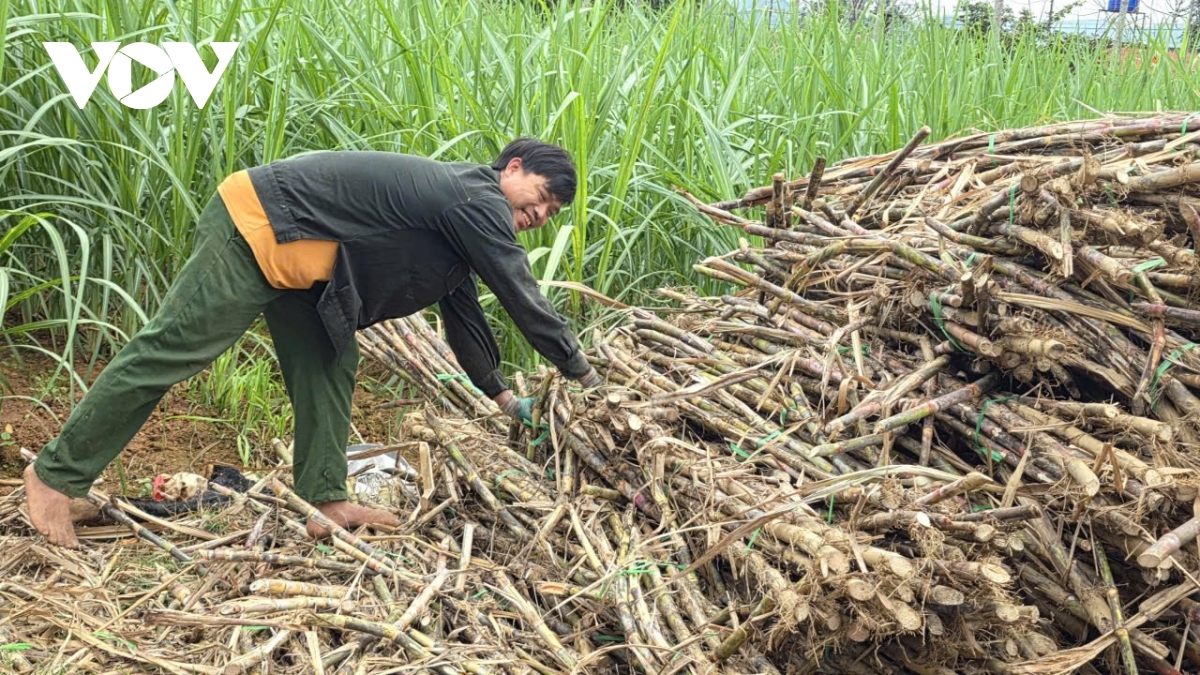
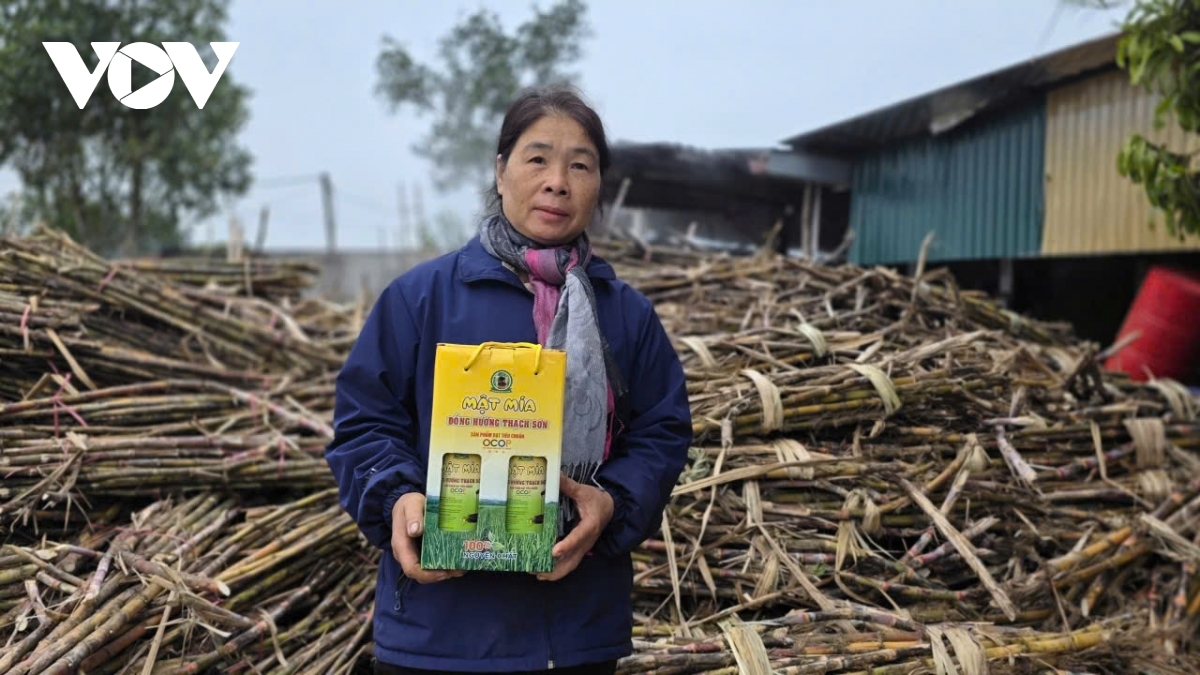
The reputation of the craft village’s sugarcane molasses rests on traditional manual techniques and the dedication of producers, according to local industry leaders. Tao Thi Cuc, director of the Thach Son Sugarcane Molasses Cooperative says harvesting and pressing are decisive stages. Sugarcane must be pressed immediately after arrival and only in quantities sufficient for same-day processing to prevent the juice from turning sour.
Local authorities say close oversight, along with policies encouraging the preservation and development of traditional crafts, has helped create favourable conditions for households to continue the trade with confidence.






Bình luận
Bình luận của bạn sẽ được xét duyệt trước khi đăng
Đang tải bình luận...