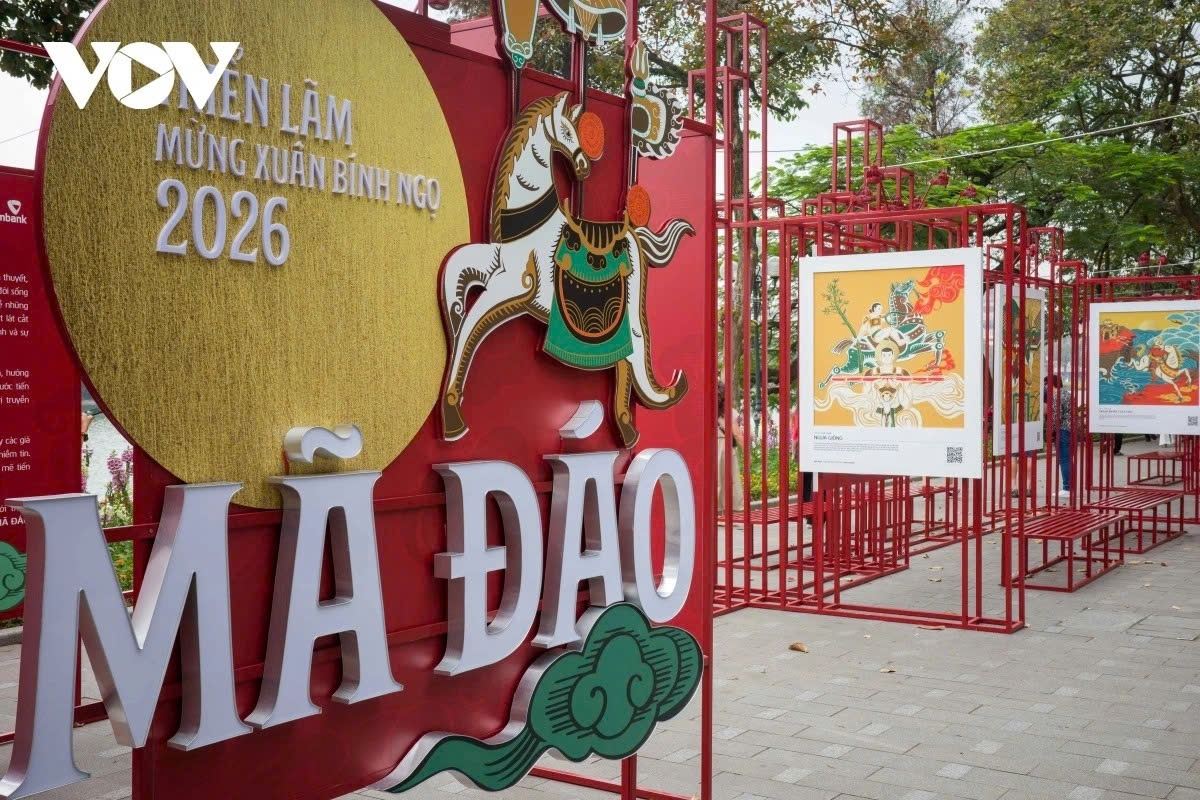
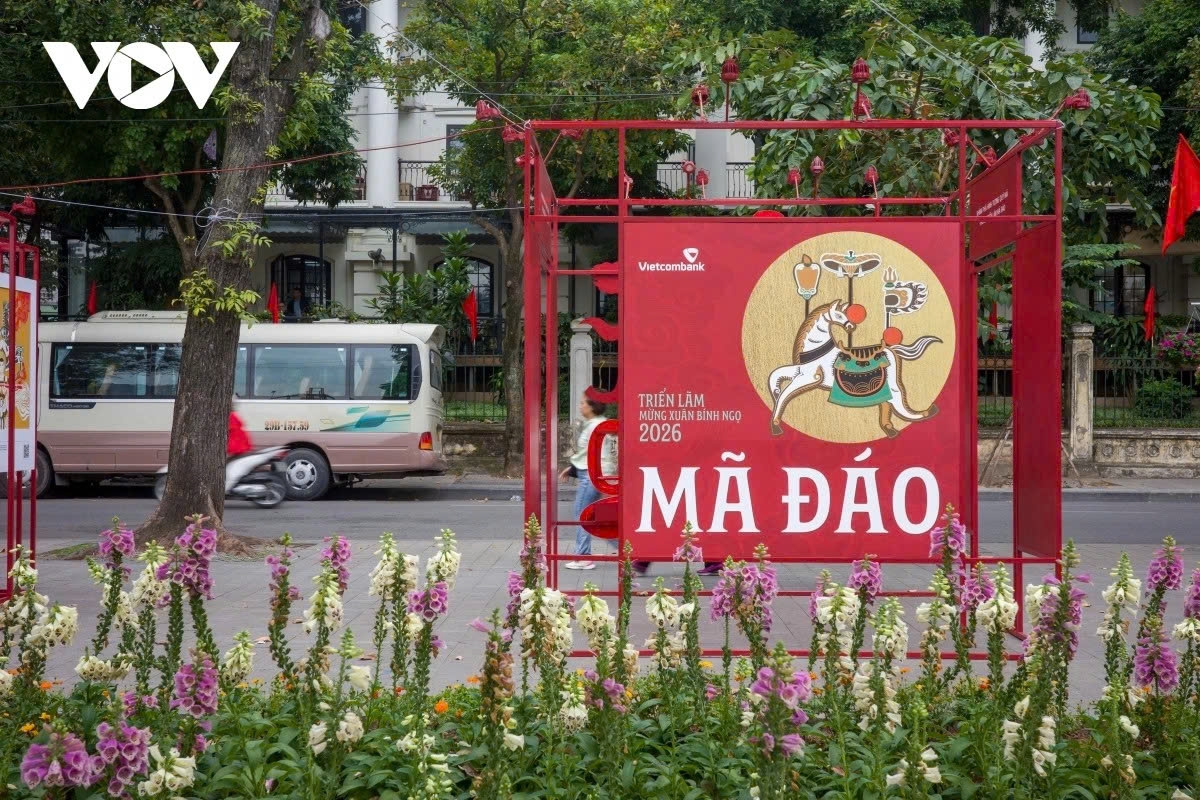
VOV.VN -The “Mã Đáo” exhibition, held by Hoan Kiem Lake during Spring Binh Ngo 2026, highlights the horse as a traditional symbol of success (“Mã đáo thành công”), and as a link between Vietnam’s cultural heritage and its contemporary development journey.
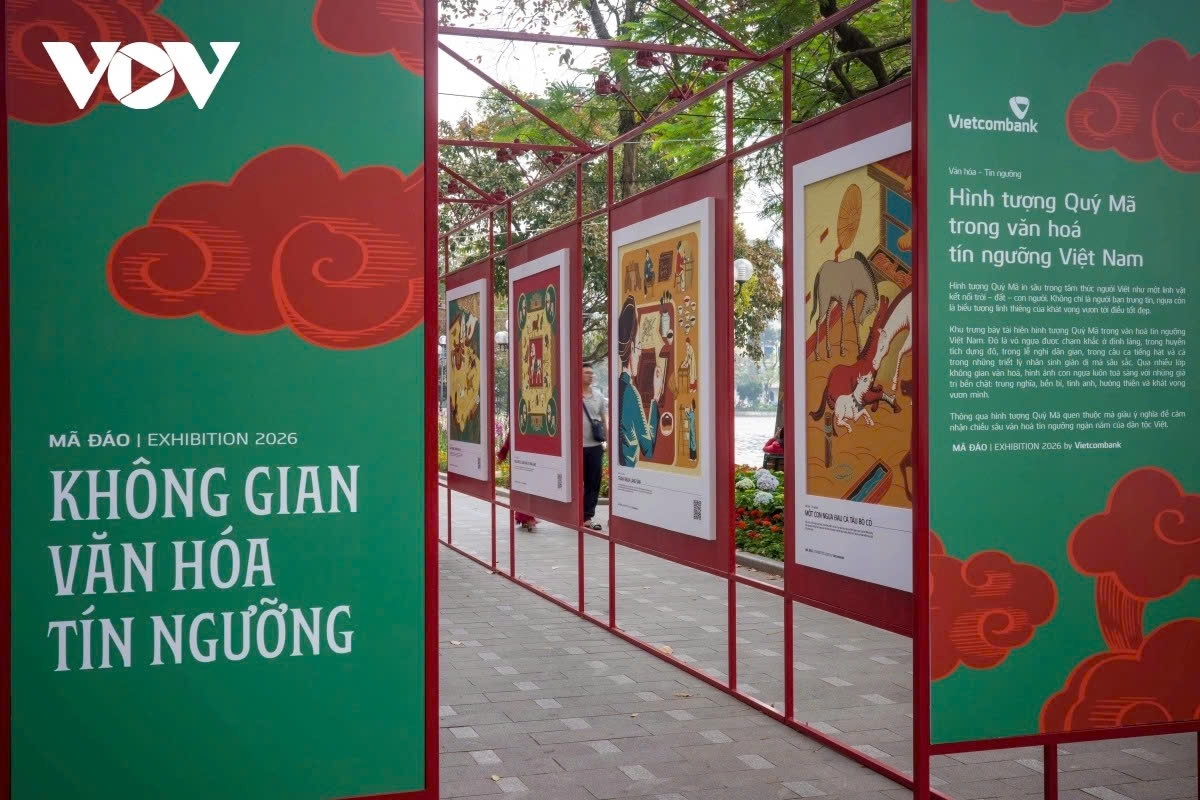
Inspired by the horse, a zodiac animal deeply rooted in the history, culture and spiritual life of the Vietnamese people, the “Mã Đáo” exhibition traces the journey of the “Quý Mã” (the noble horse) from history and legend to culture and belief, and onward to trade and development.
Linked to Spring Binh Ngo 2026, a time when the country enters a new stage of development marked by strong aspirations to move forward and toward prosperity, the theme “Mã Đáo” was chosen as a culturally resonant message, evoking a spirit of new beginnings, movement and advancement.
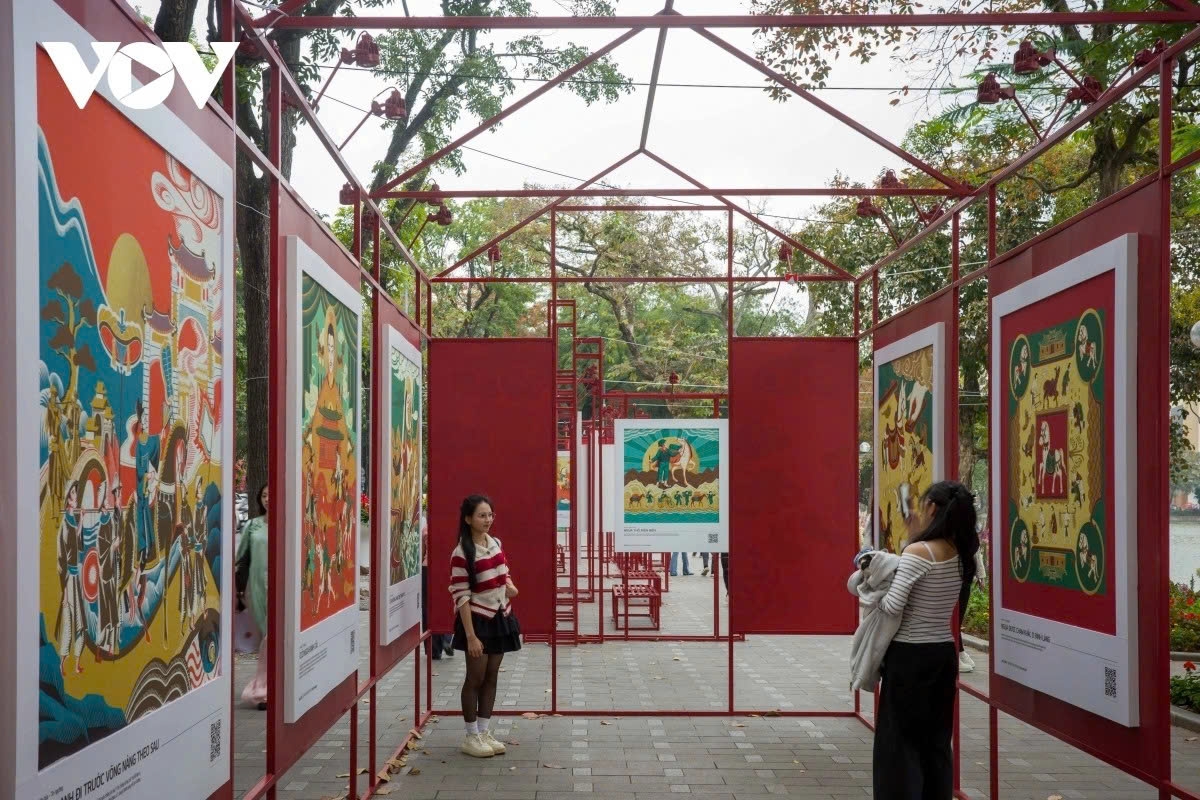
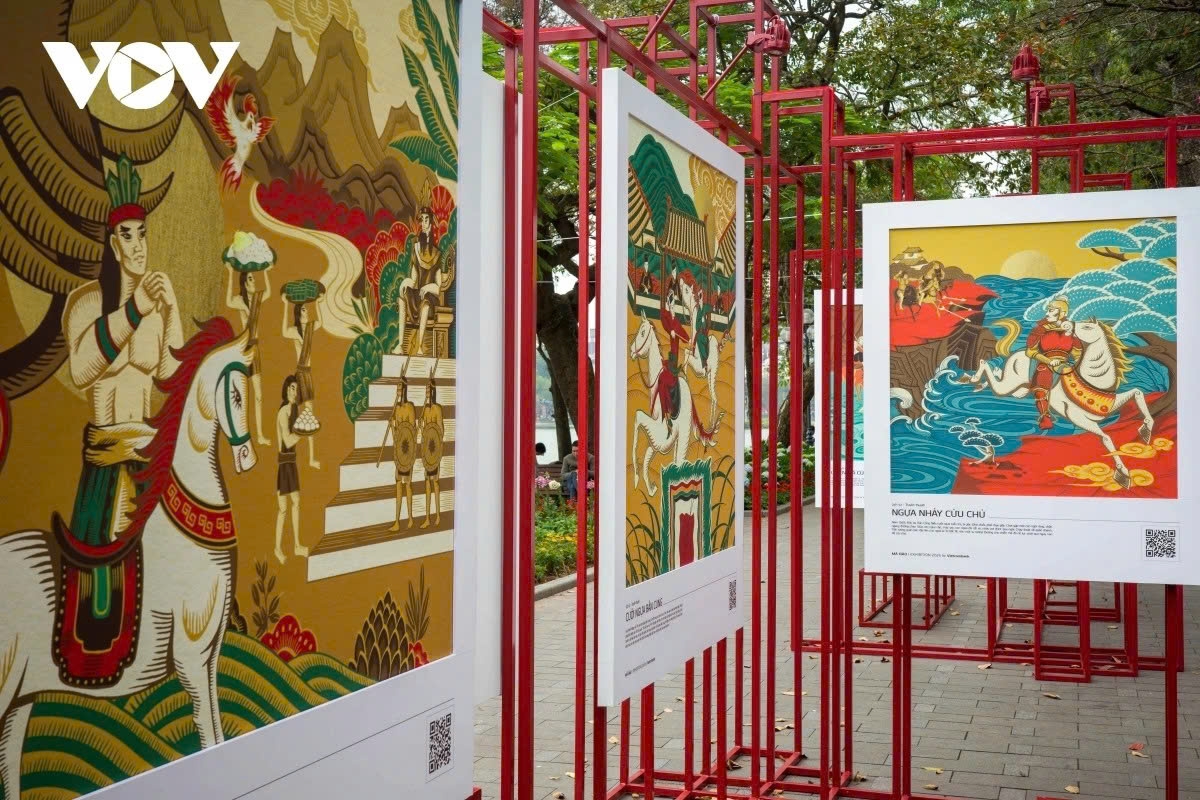
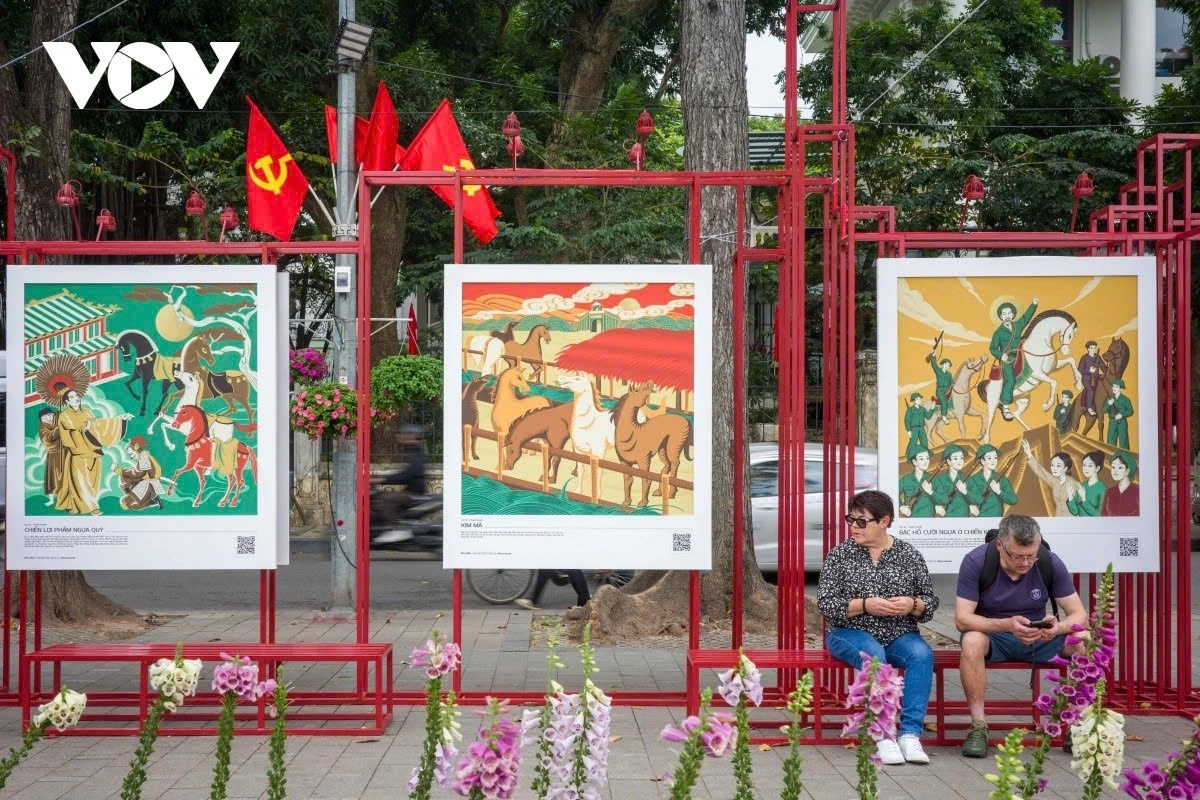
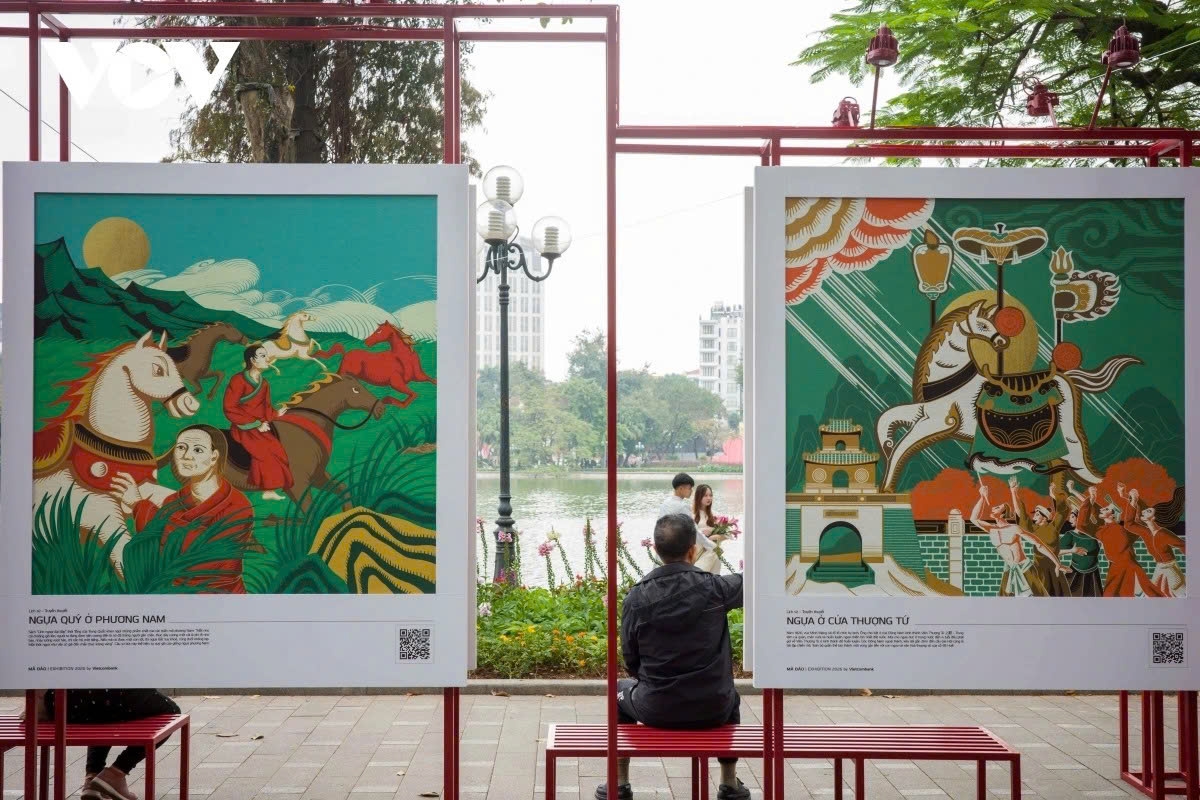
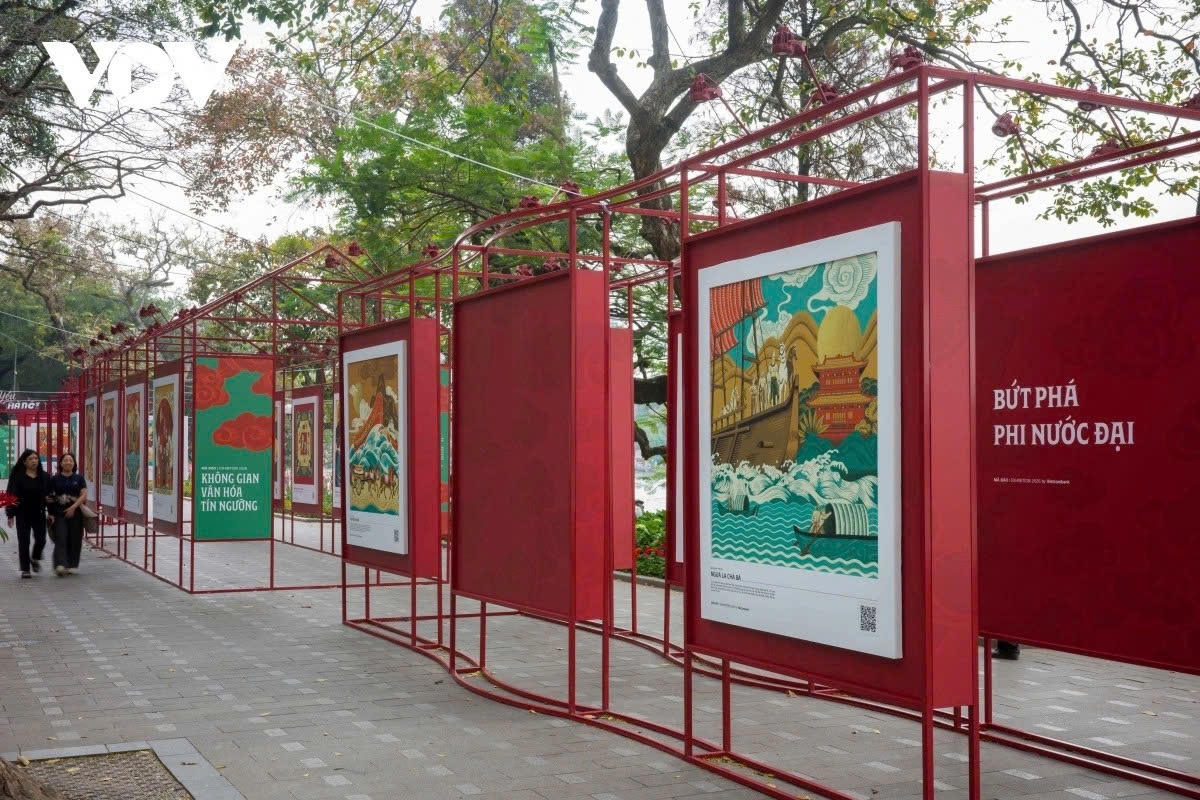
An overview of the exhibition space by Hoan Kiem Lake. The display unfolds along Le Thai To Street, where urban heritage blends with contemporary city life. The exhibition has become an early spring cultural gathering point, attracting large numbers of local residents and visitors.
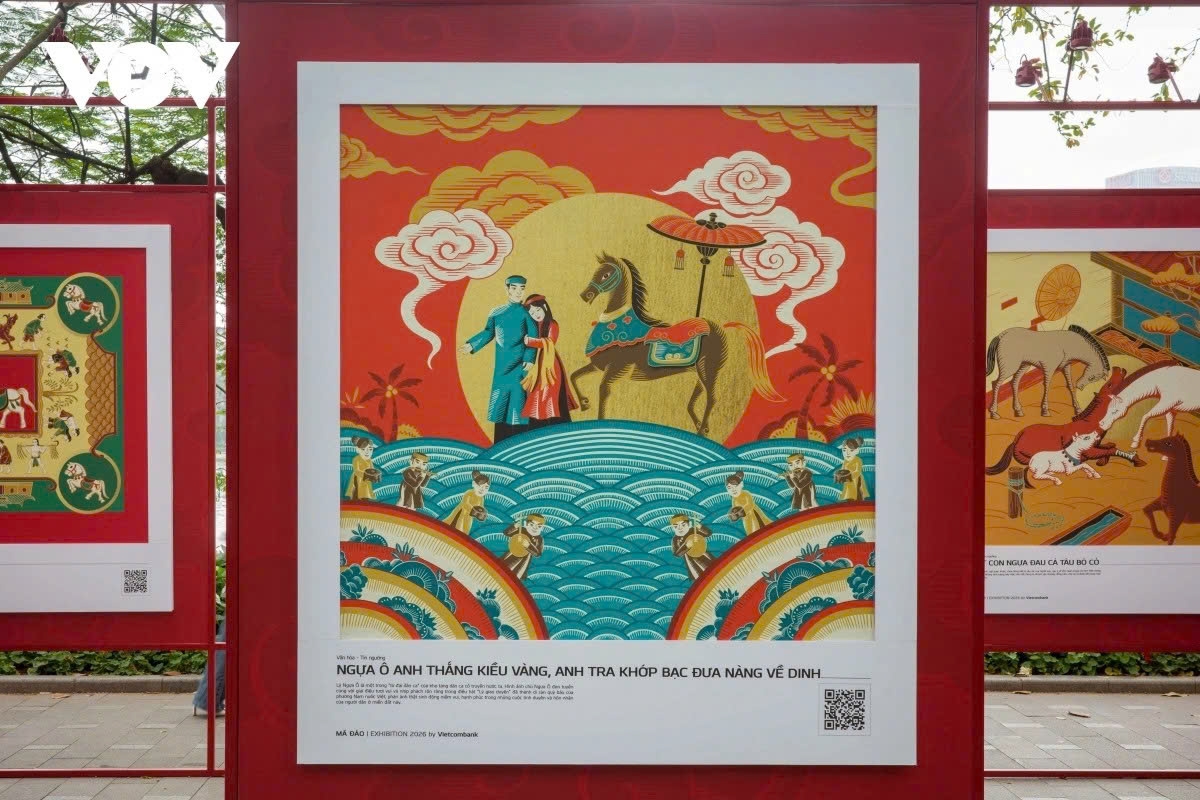
“Ly Ngua O” is one of Vietnam’s four major traditional folk songs. With its black horse imagery, lively melody and rhythmic beats in the Ly giao duyen style (a traditional courtship folk-song form), it reflects joy and happiness in love and marriage in southern Vietnam.
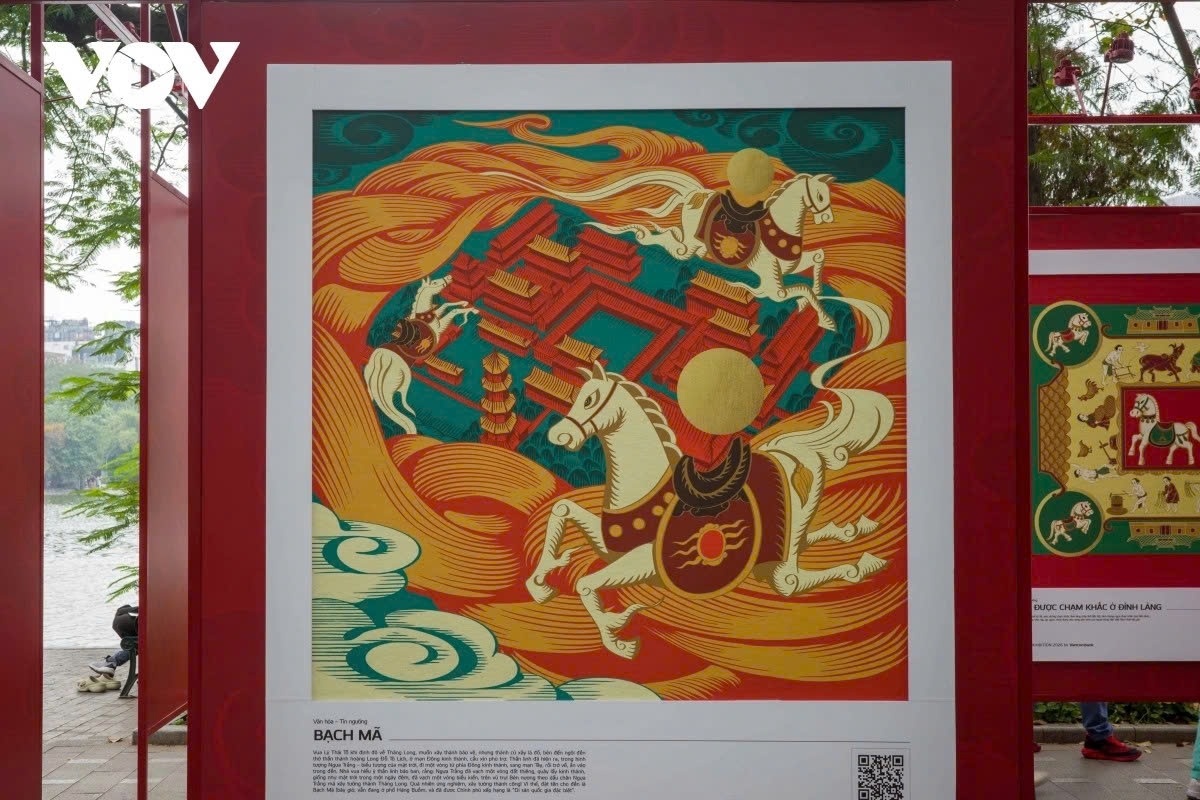
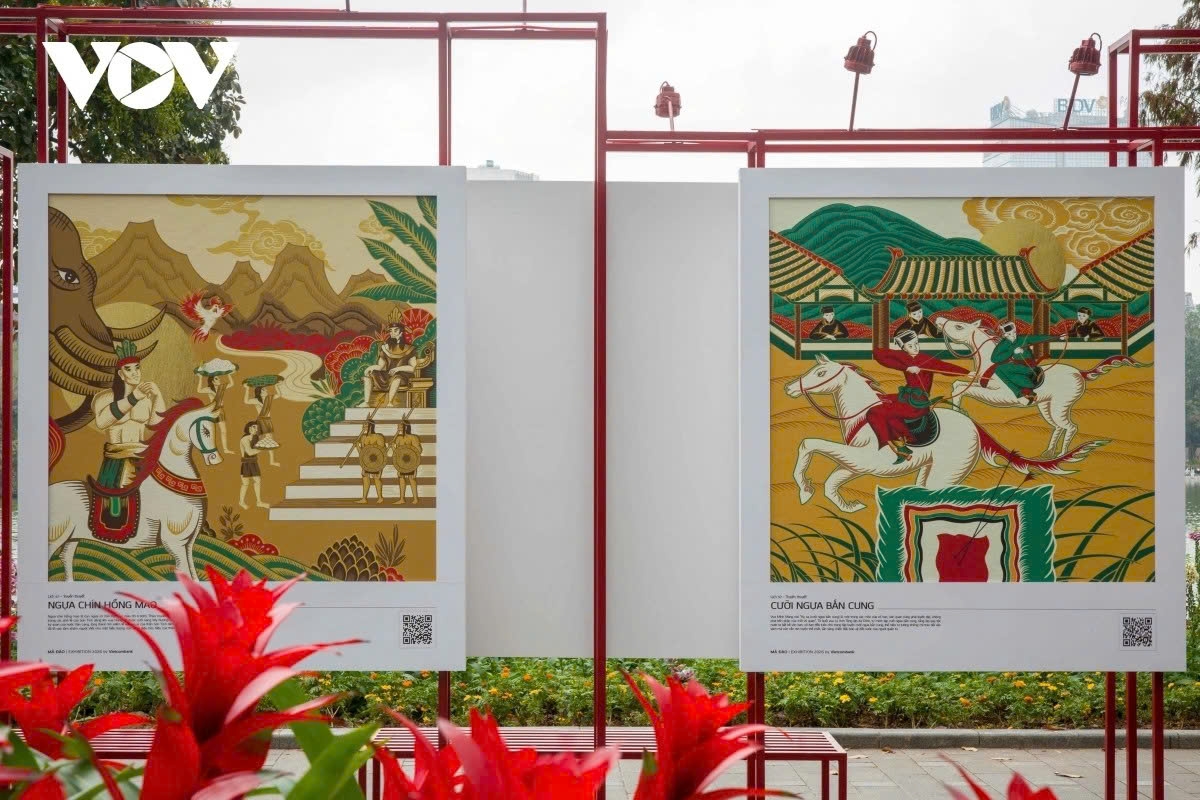
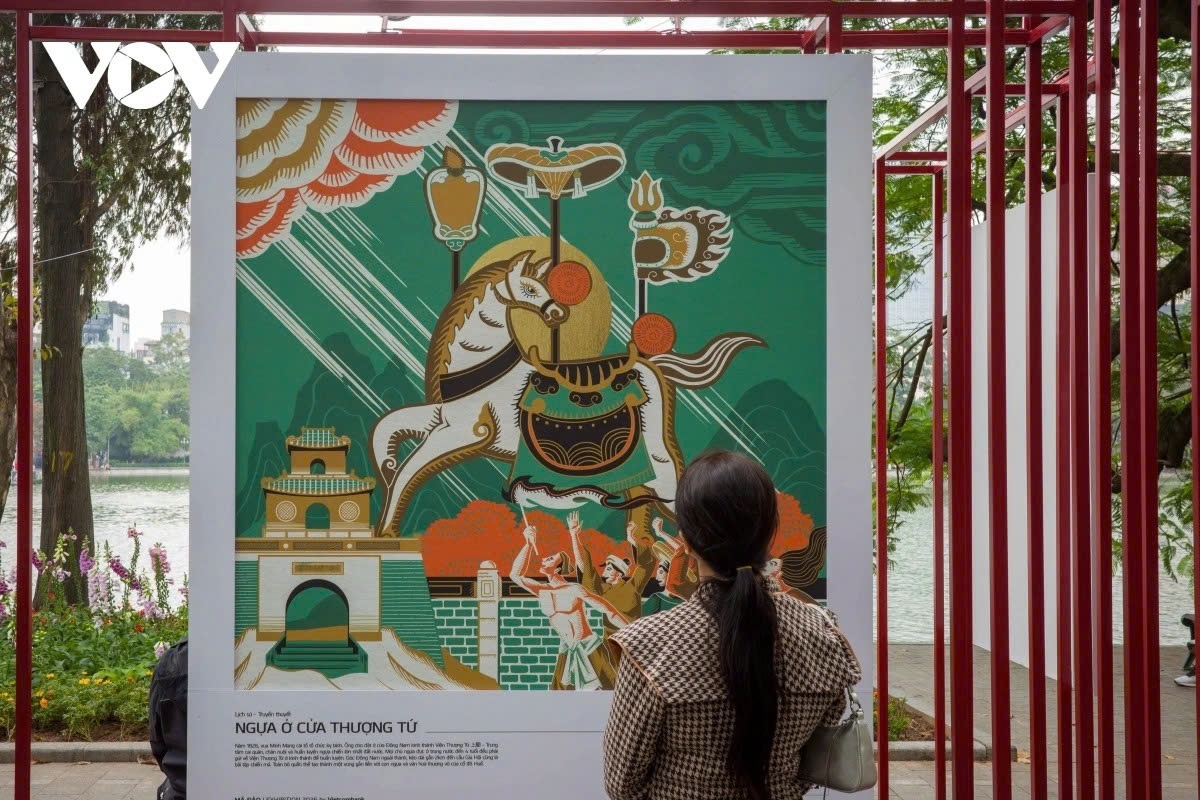
According to legend, when construction of Thang Long Citadel failed, King Ly Thai To prayed at Long Do Temple. A White Horse appeared and marked the boundaries of the citadel; following its tracks, the king successfully built the capital and later named the temple Bach Ma (White Horse).
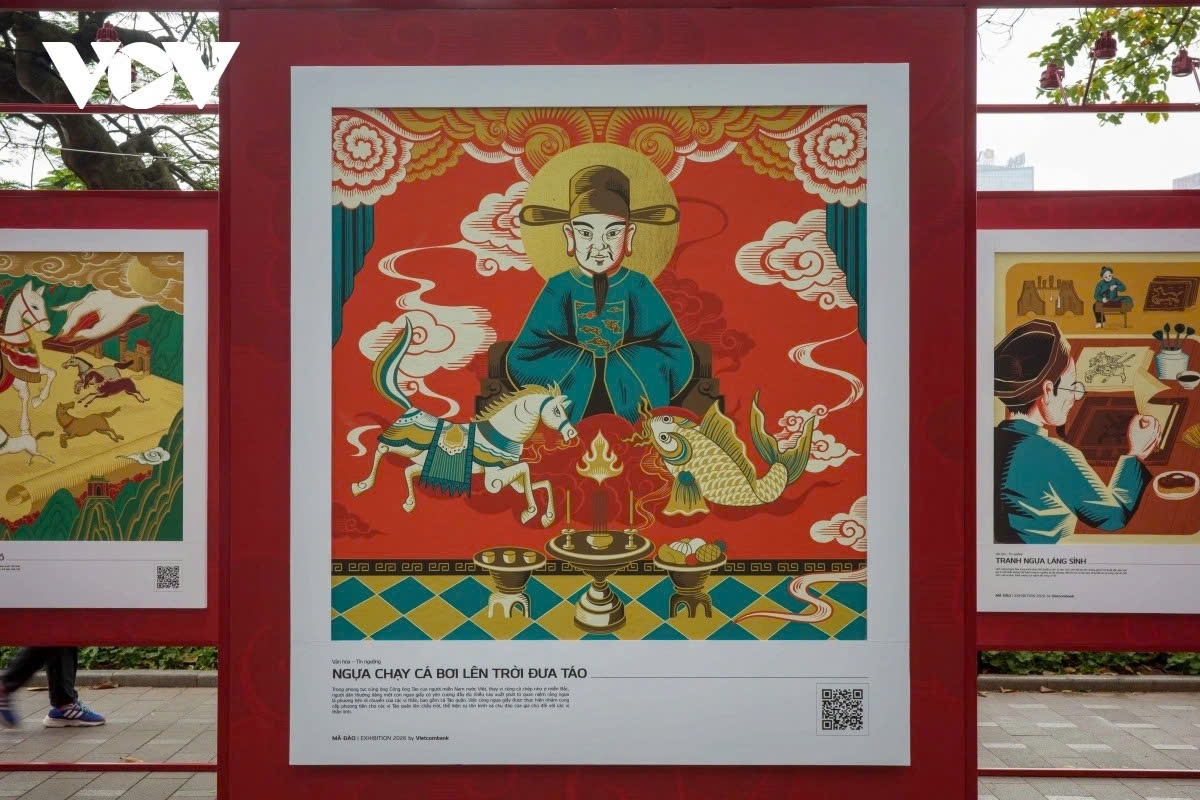
In southern Vietnam’s Kitchen Gods worship, paper horses are offered instead of carp. The horse symbolises the divine means of transport for the deities on their journey to heaven.
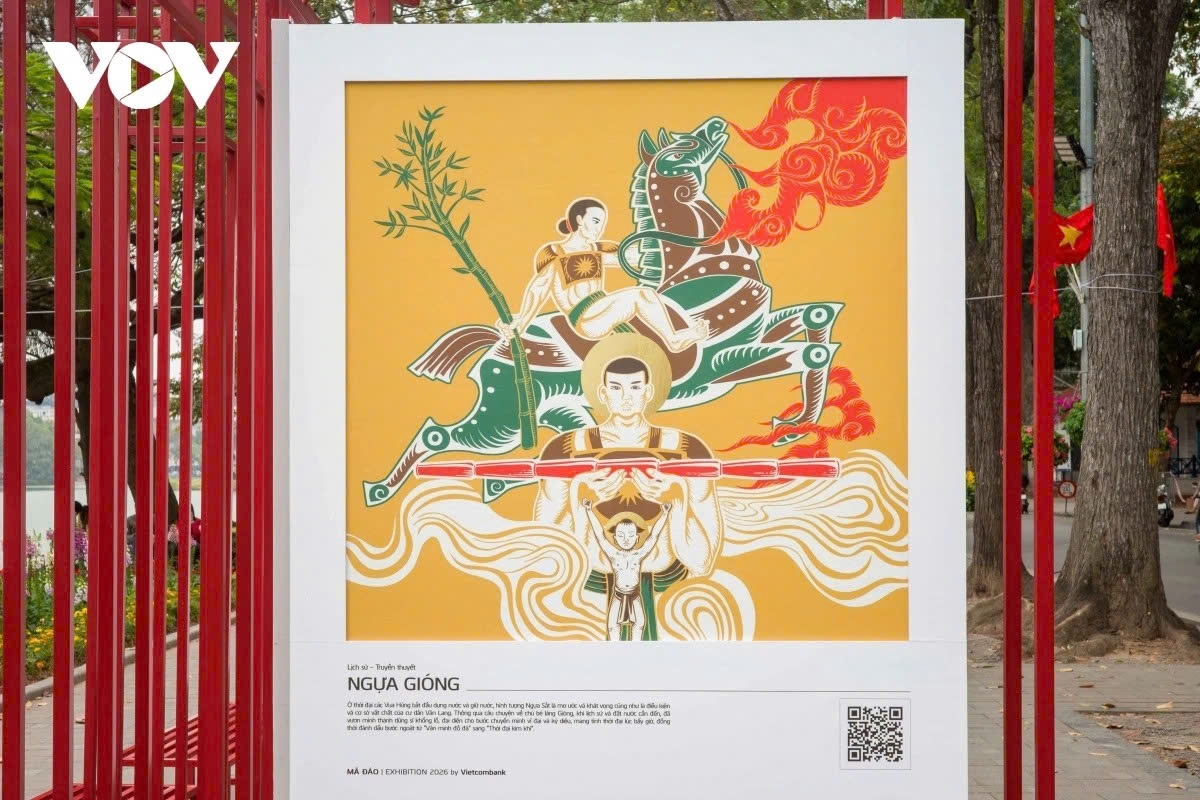
The artwork “Ngựa Gióng.” The Iron Horse in the legend of Saint Giong shows the aspiration to build and defend the nation, while symbolising a pivotal transition from the Stone Age to the Metal Age in Vietnam’s early history.
Inspired by the horse, a symbolic animal deeply rooted in the history, culture and spiritual life of the Vietnamese people, the “Mã Đáo” exhibition traces the journey of the “Quý Mã” (the noble horse) from history and legend to culture and belief, and onward to trade and development.
New materials and artistic approaches make the horse image more accessible to today’s visitors
The exhibition serves as a cultural bridge, helping to present Vietnam’s identity to the world.
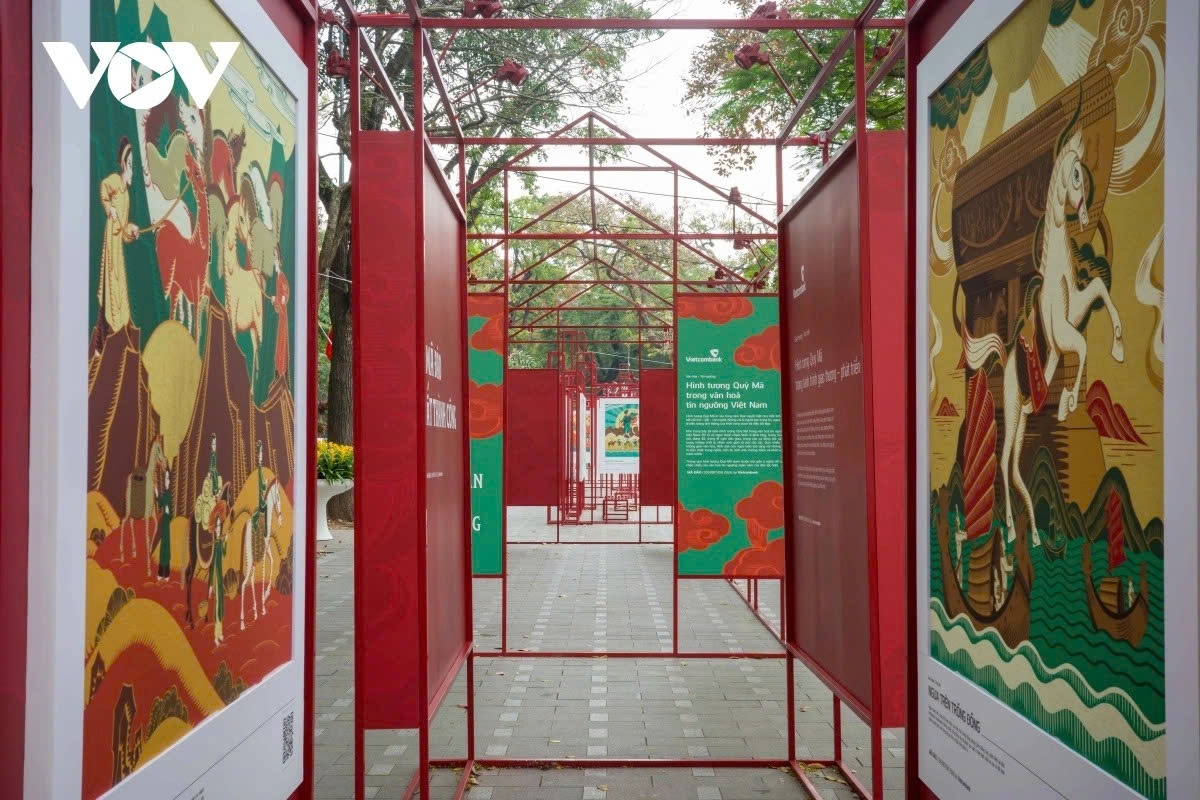
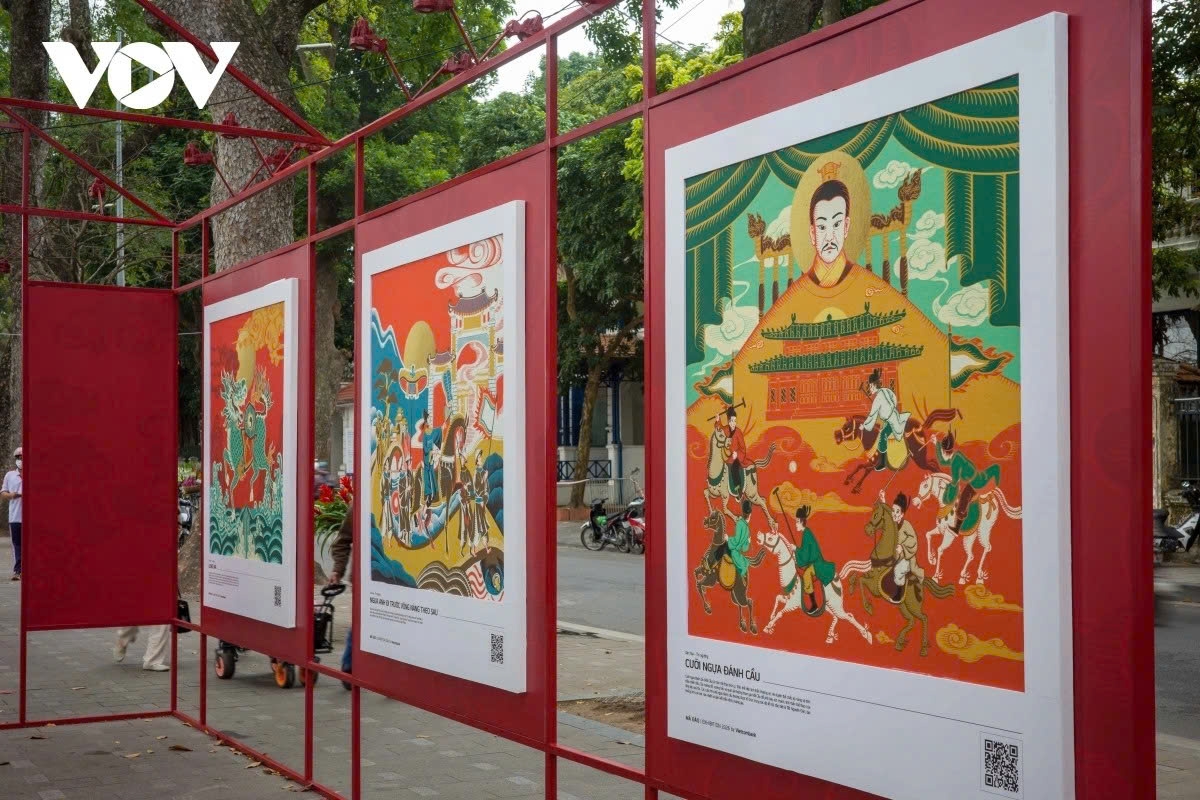
The exhibition space is organised into three interconnected sections-History and Legend, Culture and Belief, and Trade and Development, guiding visitors from historical origins and spiritual depth to the sense of movement and aspiration that shape Vietnamese culture.
The exhibition reflects the depth of culture to the community.
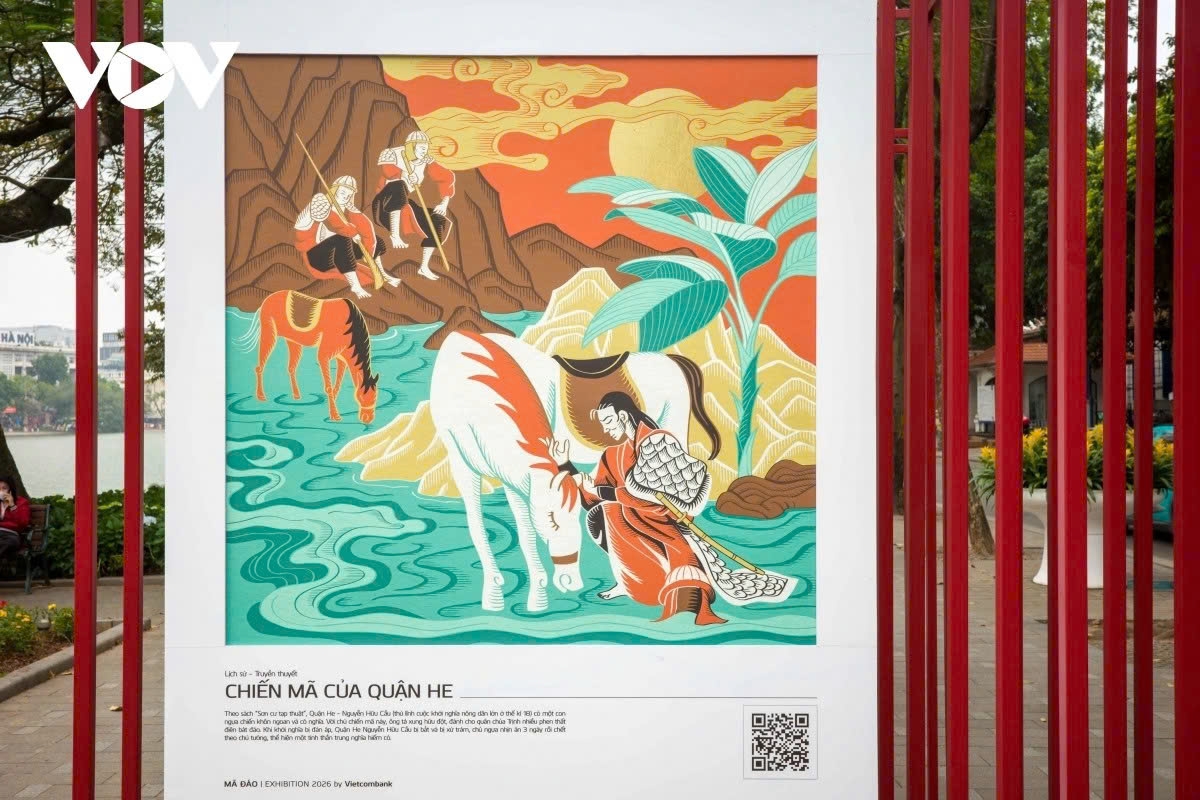
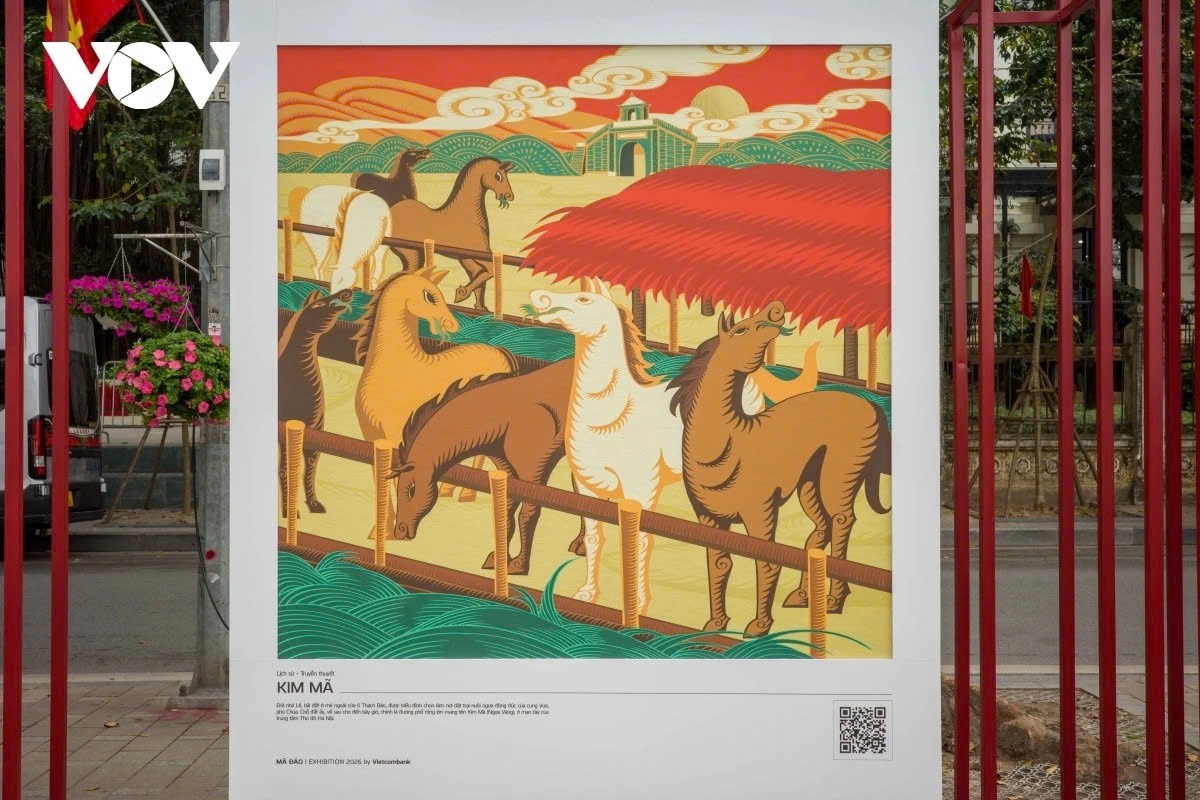
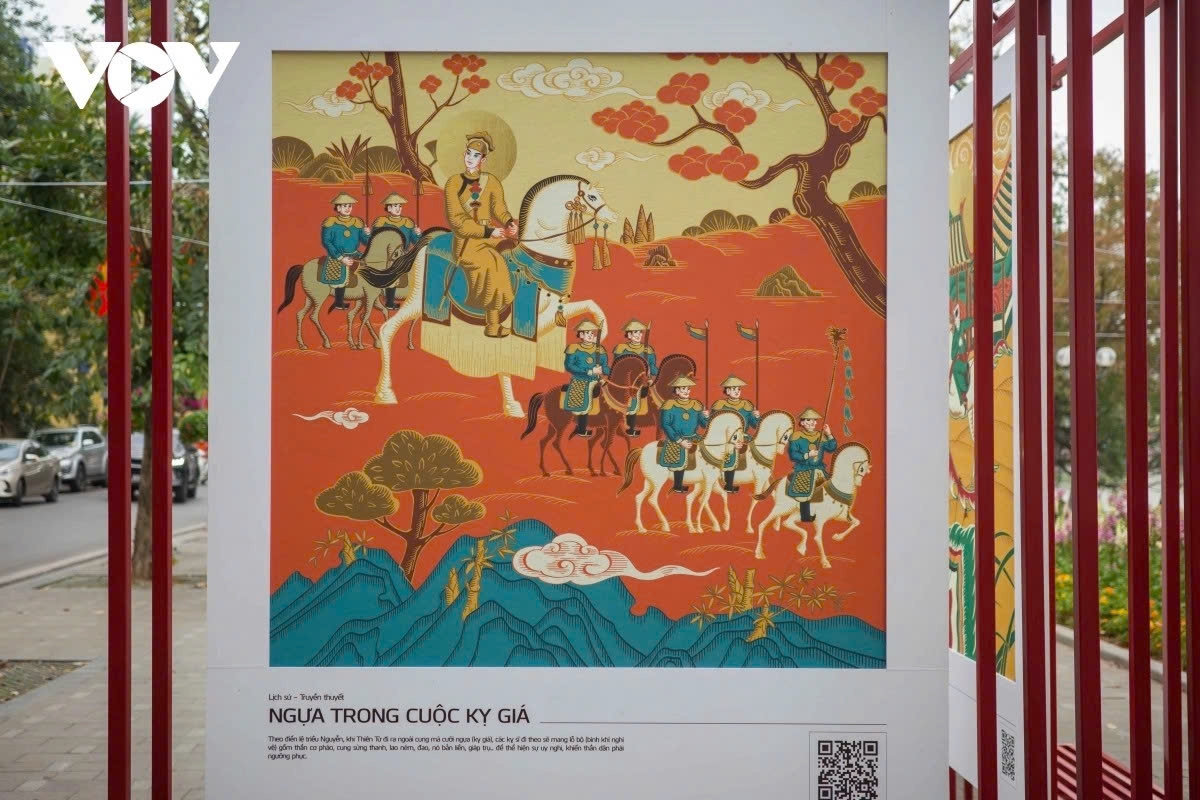
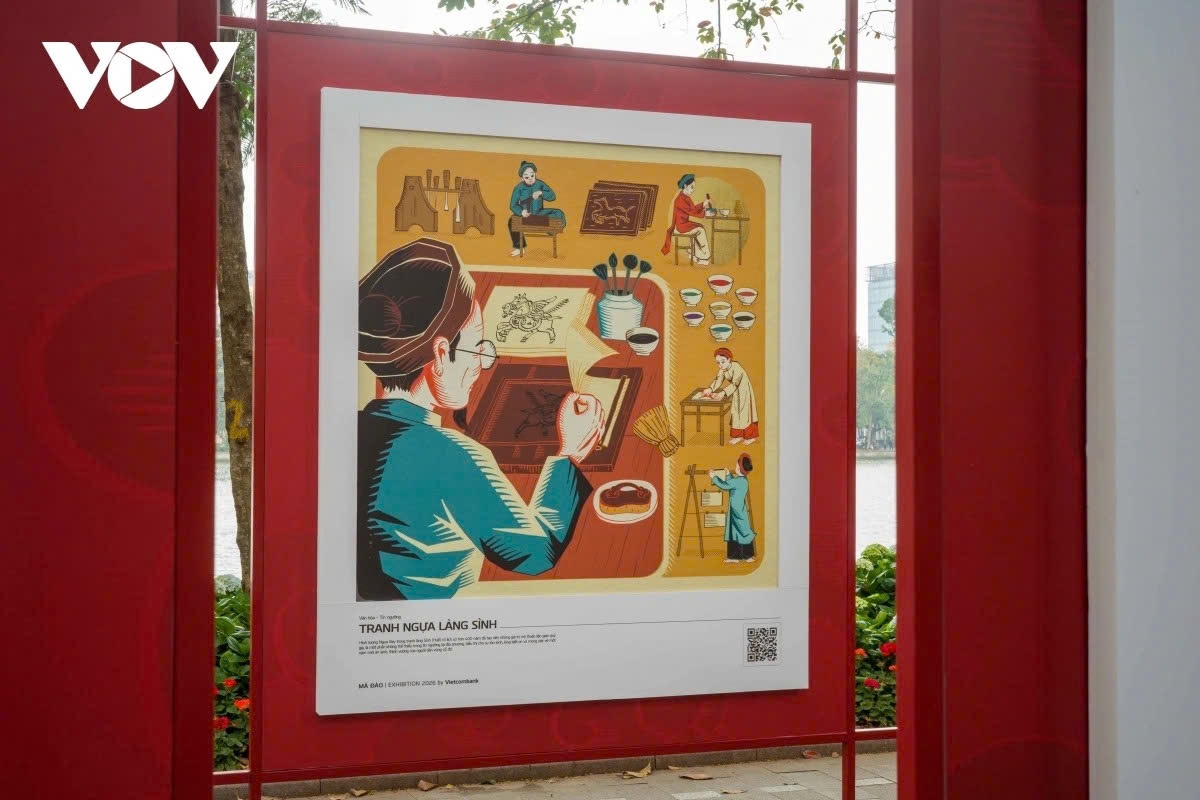
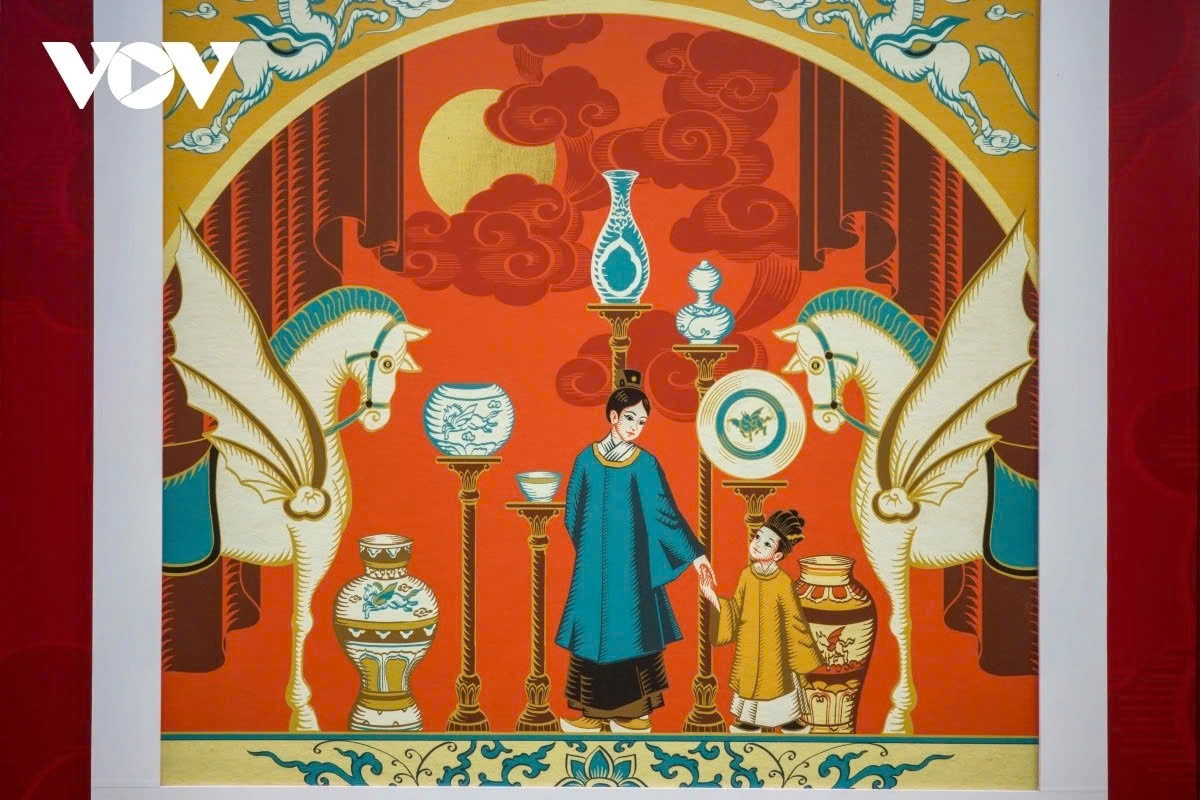
The exhibition features 31 paintings, each telling a story, a cultural snapshot of the image of the horse in the history and spiritual life of the Vietnamese people.
The event becomes cultural venue in spring, honoring the image of the horse as a symbol of aspiration, good fortune, and prosperity in the spiritual life of the Vietnamese people.
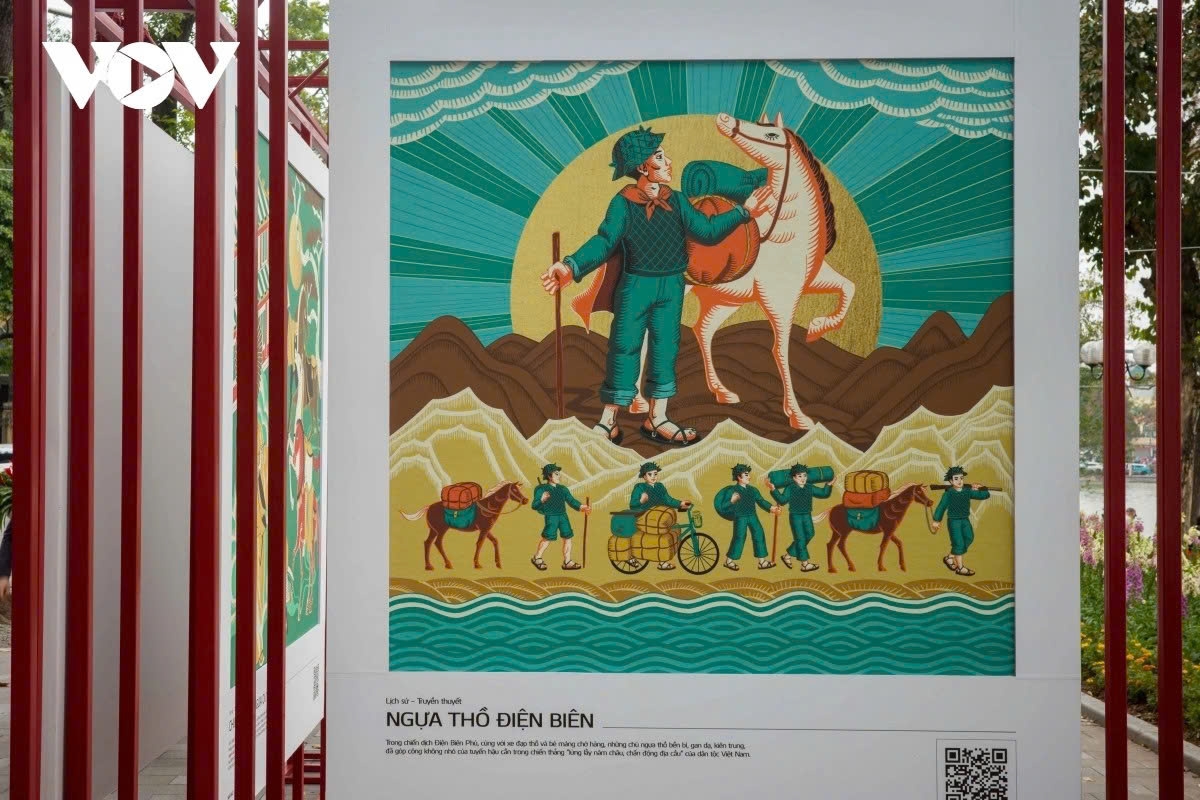
A painting depicts Dien Bien Phu Campaign which stands as a remarkable epic of the Vietnamese people's war.


Bình luận
Bình luận của bạn sẽ được xét duyệt trước khi đăng
Đang tải bình luận...