




Rooted in the wet-rice civilisation of northern Vietnam, water puppetry is a one-of-a-kind performing art found nowhere else in the world. Emerging nearly a millennium ago from village life in the Red River Delta, the art form has travelled far beyond its rural origins to become a cultural ambassador of Vietnam on the global stage.
Today, as Vietnam deepens its international integration, water puppetry is being prepared for nomination to UNESCO’s list of Intangible Cultural Heritage of Humanity, an effort that reflects its cultural significance not only nationally but globally.
Historians trace the origins of Vietnamese water puppetry back to the 11th century, during the Ly Dynasty. It developed organically from the daily lives and beliefs of agricultural communities, where water was both a vital resource and a defining element of the landscape.
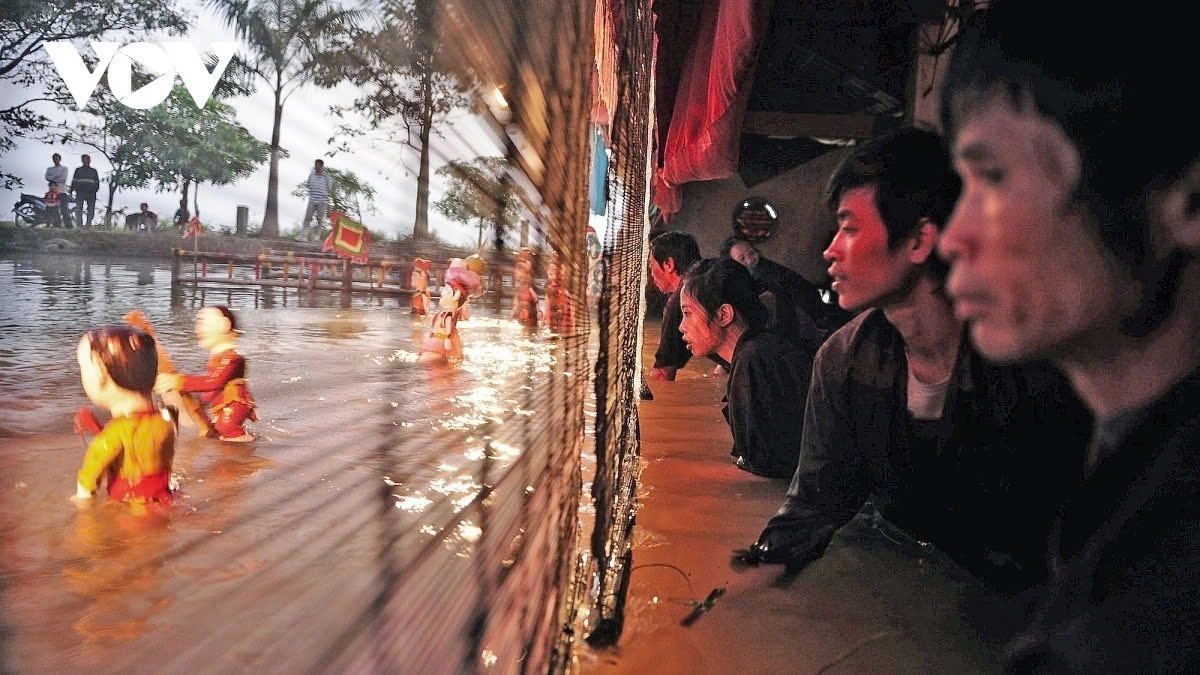
Village ponds and flooded rice fields became natural stages. Behind bamboo screens, puppeteers stood waist-deep in water, manipulating brightly lacquered wooden figures using hidden rods and strings beneath the surface.
“Water puppetry was born from the life of farming communities, but it also held a special place in royal court culture during the Ly and Tran dynasties,” says People’s Artist Nguyen Tien Dung, director of the Vietnam Puppetry Theatre. “It reflects both grassroots-level creativity and the depth of national culture.”
Traditional performances depict familiar scenes such as rice farming, buffalo herding and fishing, alongside mythical images of dragons and phoenixes, offering audiences a vivid portrayal of Vietnamese rural life and worldview.
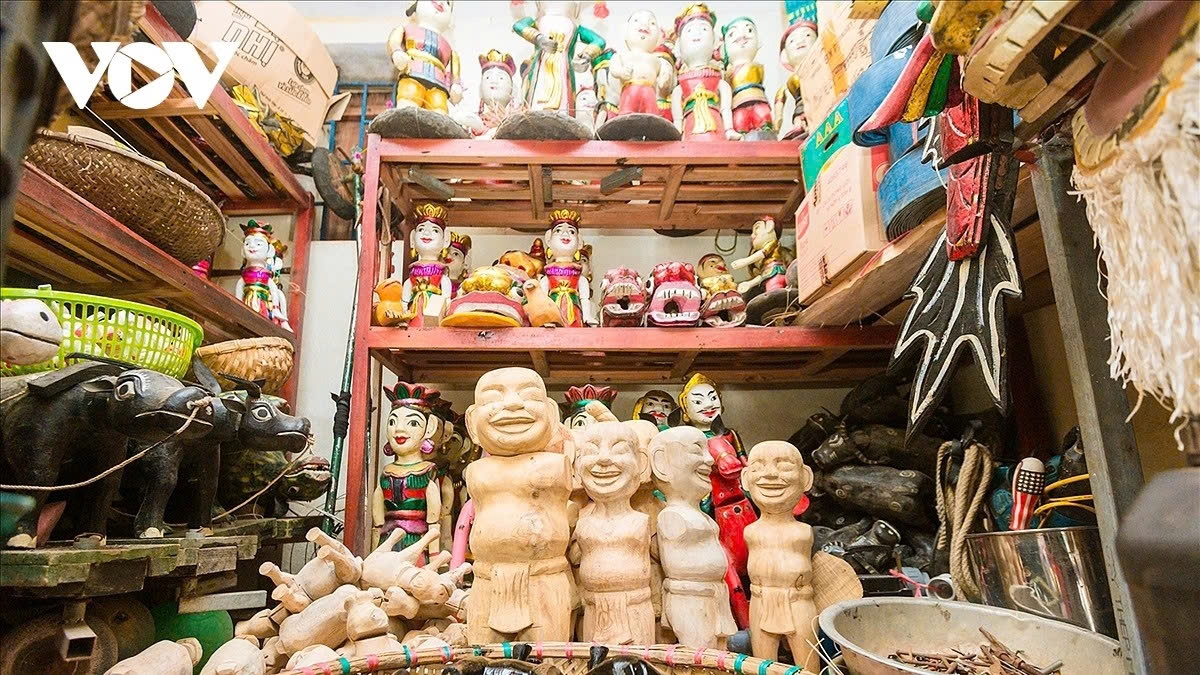
According to Meritorious Artist Chu Luong, former director of the Thang Long Water Puppet Theatre, the essence of water puppetry lies not only in technique but in the philosophy embedded in its stories.
“At first, water puppetry was a simple folk game. Over time, Vietnamese people infused it with emotions, ideas and narratives, transforming it into an art form that aestheticises everyday life,” he recalls.
The water stage, known as the thủy đình, creates a dreamlike atmosphere while concealing complex mechanics. Combined with traditional music - drums, cymbals and folk melodies - the performances rely minimally on spoken language.
This makes water puppetry highly accessible to international audiences.
“Even without understanding Vietnamese, viewers can feel the joy, optimism and harmony with nature conveyed through the movements, music and imagery,” Luong notes.
Over the past decades, water puppetry has moved from village festivals to professional theatres and international tours. Vietnamese troupes now regularly perform at global cultural festivals, diplomatic events and international art exchanges across Asia, Europe and beyond.
Peoples Artist Dung viewed this global presence as a form of cultural diplomacy. “The growing international exposure of water puppetry is not accidental,” he says. “It is the result of a distinctive artistic identity refined over generations.”
Through overseas performances, Vietnam’s image abroad has become more nuanced. “Audiences no longer see Vietnam only through the lens of history and conflict, but also as a country of subtlety, creativity and deep cultural roots,” he says.
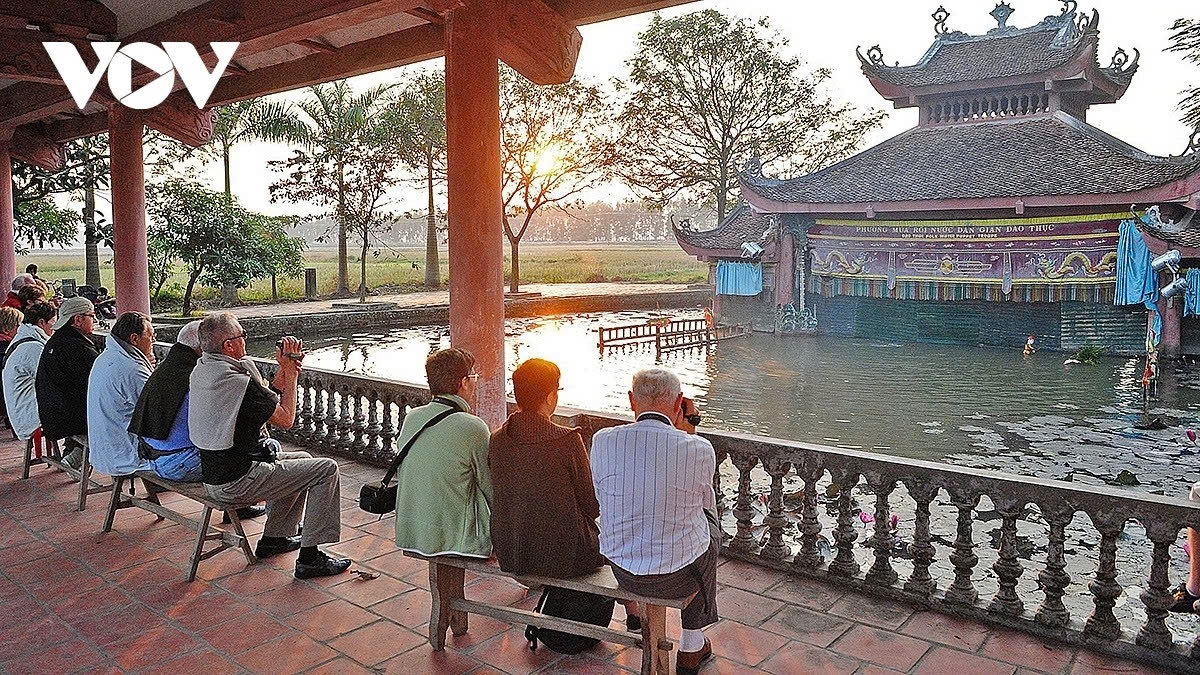
Cultural experts agree that a heritage can only thrive internationally if it is sustained at home. Vietnamese puppetry institutions have therefore focused on renewing their approach and expanding audiences, especially among younger generations.
“You cannot force young people to love traditional arts. But if performances spark curiosity and offer real experiences, appreciation will come naturally,” Dung confides.
Grassroots-level initiatives are already breathing new life into the tradition. Le Hong Ngoc, founder of the youth-led project ‘Touching the Soul of Puppetry’, says modern storytelling and hands-on activities help bridge generations.
“Our goal is to help young people truly engage with their hands, eyes and emotions,” she shares. “It also motivates veteran artisans when they see younger audiences listening and caring.”
Among Vietnam’s traditional performing arts, water puppetry is widely regarded as having exceptional potential for international outreach. Its imagery may be deeply Vietnamese, but its themes - community, harmony with nature and the pursuit of peace - are universal.
“Water puppetry expresses values shared by humanity,” Luong says. “That is why audiences everywhere can connect with it.”
Vietnam is currently preparing a dossier to nominate water puppetry for UNESCO recognition as Intangible Cultural Heritage of Humanity. The move aims to safeguard the art form while expanding its visibility worldwide.
From humble village ponds to global theatres, Vietnamese water puppetry continues to prove its enduring vitality. It stands as a living heritage, preserved by the past, sustained by the present and carried forward by future generations.
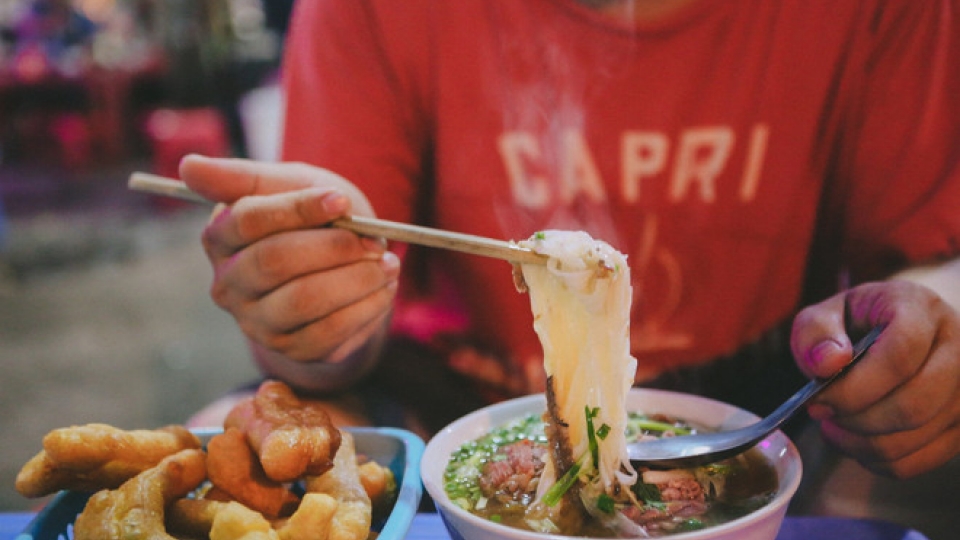
Deputy Prime Minister Mai Van Chinh has agreed in principle to the preparation of scientific dossiers on pho (rice noodle soup) and water puppetry as intangible cultural heritage, to be submitted to UNESCO for inscription on its heritage lists.
Bình luận
Bình luận của bạn sẽ được xét duyệt trước khi đăng
Đang tải bình luận...