VOV.VN - In recent years, traditional Vietnamese attire, once largely confined to museums, academic texts, and ceremonial occasions, has re-emerged vibrantly in urban cultural life.
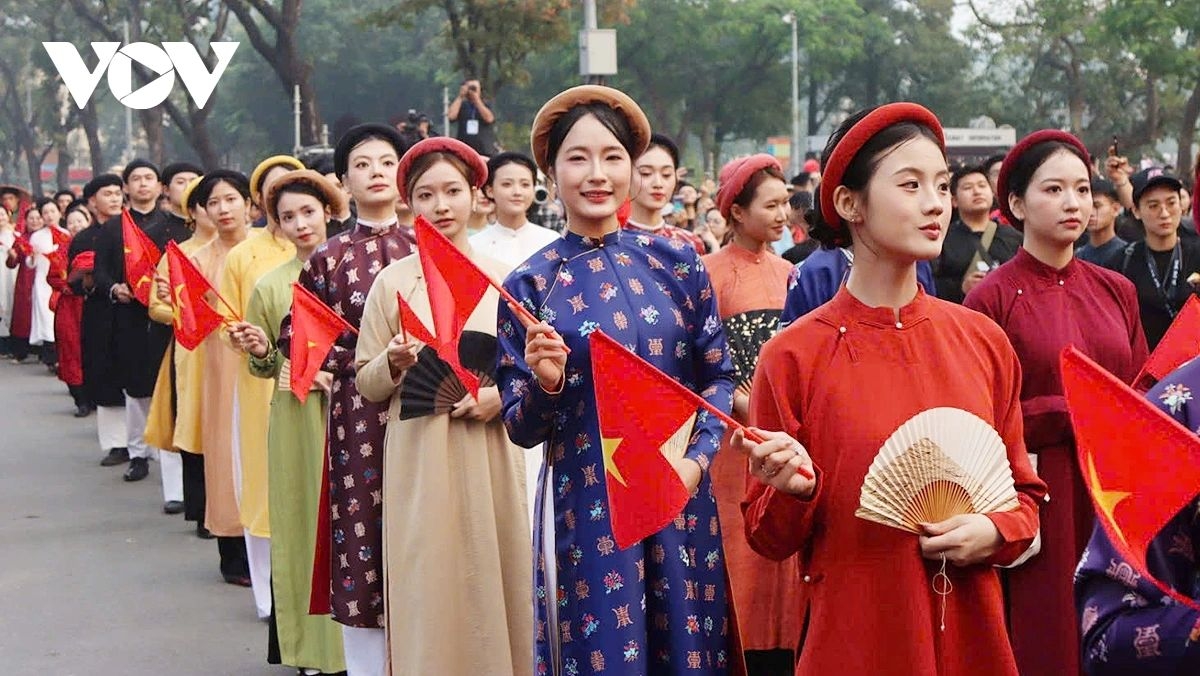
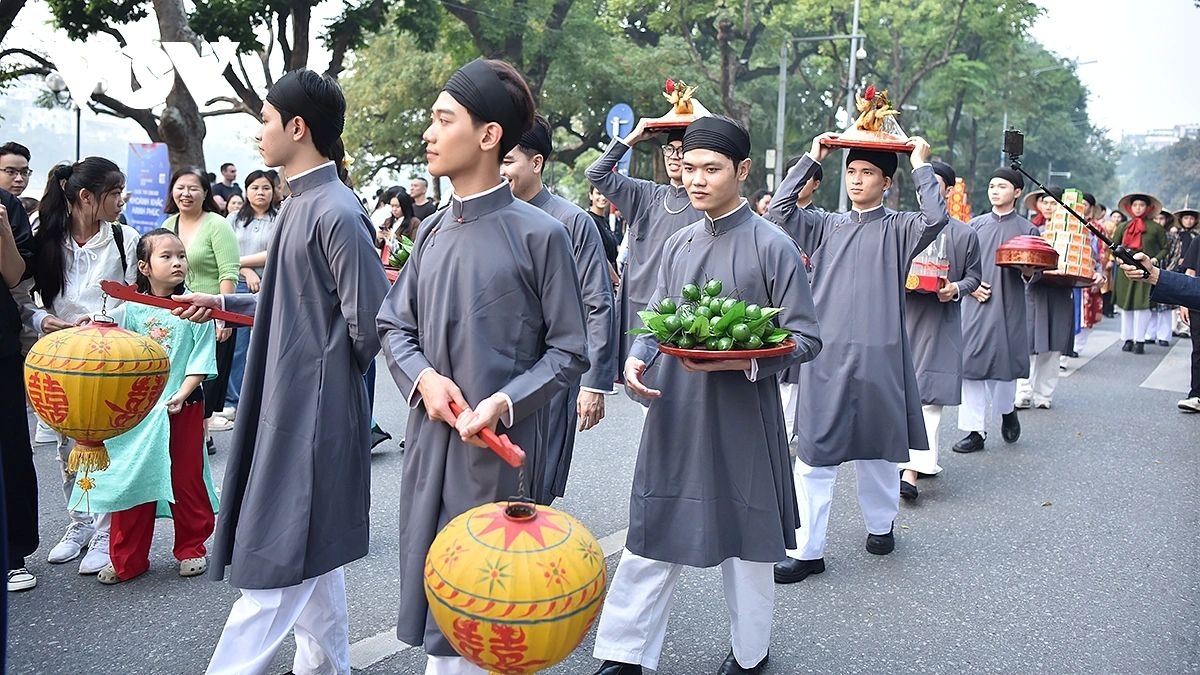
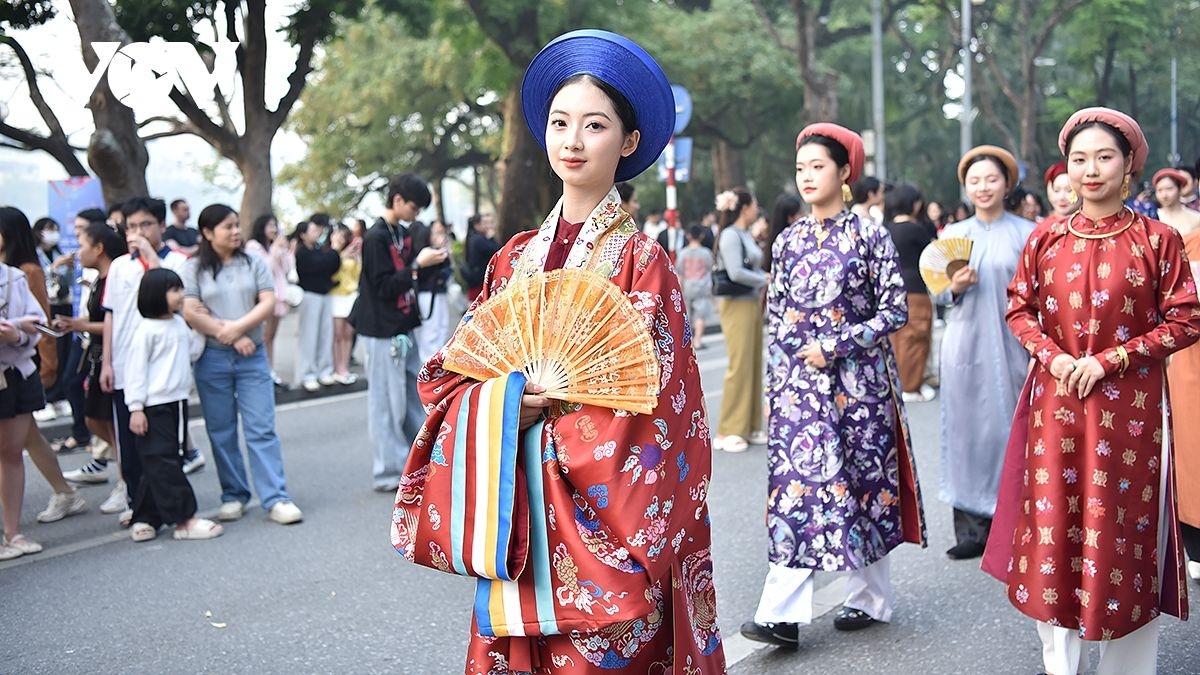
Young people, particularly Gen Z and Gen G, are at the forefront of this revival. From wearing historical garments at festivals to creating digital content inspired by traditional aesthetics, they are reshaping how heritage is experienced and shared.
A cultural revival led by the young
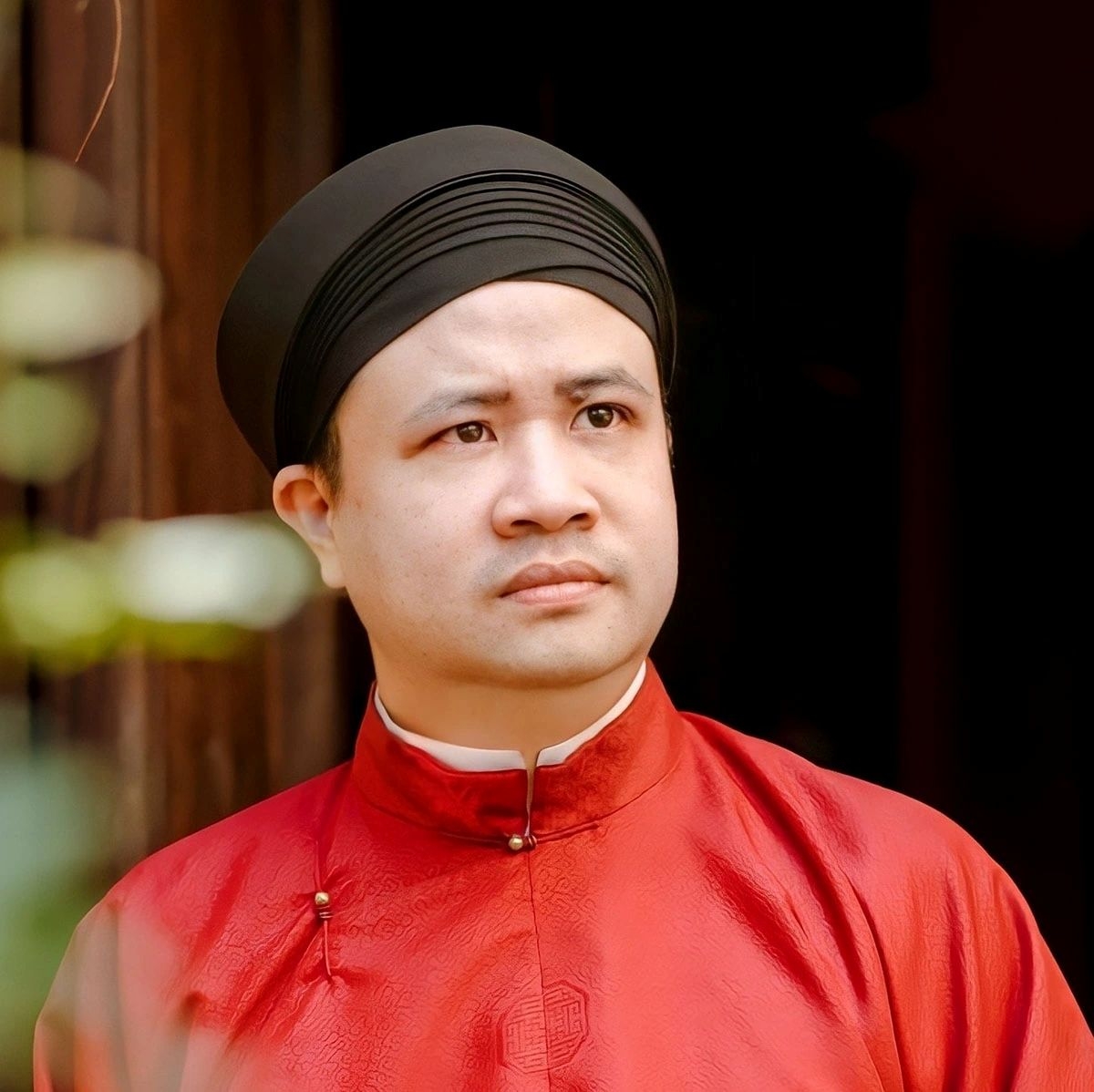
Artist and art researcher Nguyen Duc Binh, head of the Vietnam Communal House Club
For artist and art researcher Nguyen Duc Binh, head of the Vietnam Communal House Club, this resurgence is more than a passing trend, it signals a profound cultural shift.
“The growing presence of traditional attire in contemporary life, especially among younger generations, is a very encouraging sign,” he said.
Far from being outdated or distant from modern sensibilities, Vietnam’s historical garments, including the traditional áo dài (long dress) and various forms of Việt phục (Vietnamese dress), possess deep aesthetic appeal and cultural resonance.
When approached with scholarly rigour and communicated through a contemporary visual language, he explained, these garments can “enter into dialogue with modern life and captivate young people.”
Beyond fashion, the movement reflects a broader transformation in social awareness. Instead of passively receiving traditional culture, many young Vietnamese people now actively research, reconstruct, and wear historical attire in festivals, community events, and even everyday settings. Heritage, once “framed behind museum glass,” is now being lived again, he said.
The growing interest among young people reflects a significant shift in social consciousness, from passively inheriting traditional culture to actively exploring, practicing, and taking pride in their ancestral heritage.
Yet, Binh cautioned that enthusiasm must be accompanied by knowledge. Traditional attire is not merely a costume for photography or social media trends; it embodies layers of history, ritual, social hierarchy, and identity. Without careful research and clear definitions, misunderstandings can easily arise.
At the heart of the issue lies a crucial distinction: the difference between authentic historical reconstruction and modern adaptation.
Preservation vs. reinvention: Drawing the line
According to Binh, “traditional Vietnamese attire is not simply clothing that looks ‘old.’ It is a system of garments that existed in specific historical periods, associated with defined social roles, ceremonial functions, and documented regulations.”
Genuine reconstruction must be grounded in historical texts, archival images, surviving artifacts, inscriptions, and archaeological findings, not personal imagination or aesthetic preference alone.
Ancient attire is not merely clothing that looks old, but a structured system of garments that existed in specific historical periods, closely tied to particular eras, social spaces, social status, ritual practices, and clearly defined codes of use.
Contemporary designs inspired by historical elements, on the other hand, belong to a different category. They are creative reinterpretations shaped by modern needs and tastes. Innovation, Binh emphasised, is both natural and necessary, but it must be accurately named.
“Mislabeling contemporary creations as historical reconstructions risks distorting public understanding of Vietnam’s sartorial heritage,” he said.
To foster clarity, he proposed a threefold approach: public education and accessible communication; transparency from researchers and designers regarding their sources; and the cultivation of a respectful cultural attitude.
“Traditional attire should be regarded as the root,” he reflected, “while modern adaptation is the branch. When the root is strong, the tree can grow sustainably.”
In this view, preservation and innovation are not opposing forces but parallel streams. One focuses on research, restoration, and safeguarding authenticity. The other draws inspiration from that foundation to develop contemporary fashion, film, design, tourism, and other creative industries. Problems arise only when the boundary between the two is blurred.
From heritage to cultural industries
"Only when ancient attire is properly named, correctly understood, and appreciated for its true role can we preserve this heritage in a sustainable way and bring Vietnam’s traditional dress back into contemporary life with dignity, confidence, and cultural depth," says researcher Binh.
As Vietnam’s cultural industries gain momentum, the question of traditional attire’s role becomes increasingly strategic. The researcher saw historical garments as both cultural heritage and creative resource.
Authentic reconstructions, he argued, must remain anchored in research and education - exhibited in museums, documented in scholarly publications, and contextualized in historical narratives. This forms the “core axis that ensures accuracy and continuity.
From that foundation, historical aesthetics can responsibly inform contemporary creative production.
“This does not mean commercialising heritage indiscriminately, but rather transforming knowledge and aesthetic values into well-defined cultural products - applied fashion, cinema, visual arts, tourism, performance, and digital media,” he explained.
Clear value stratification is essential. Historically reconstructed garments belong to the realm of heritage and demand strict standards of authenticity. Creative adaptations, while inspired by the past, should be openly presented as modern interpretations. When such distinctions are maintained, heritage is protected while creativity flourishes.
Looking ahead, the researcher envisioned traditional Vietnamese attire evolving into a distinctive cultural language within the global cultural landscape - comparable to Japan’s kimono or Korea’s hanbok. Achieving that status, however, requires sustained investment in research, education, archival systems, and collaboration between scholars, artisans, designers, and creative industries.
Traditional attire, he suggested, should neither be frozen in the past nor dissolved in market trends. Anchored in knowledge, transparency, and respect for heritage, Vietnam’s ancient garments can become a powerful pillar of its cultural ecosystem - preserving identity while energizing contemporary creativity.
In the hands of a new generation, what once seemed distant history is finding renewed life - not as nostalgia, but as a living expression of national identity in a modern world, he concluded.
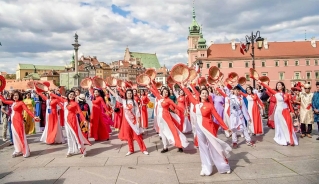
VOV.VN - In Warszawa, Poland, a large number of overseas Vietnamese have come together for a parade, presenting the rich colours and exquisite designs of traditional Vietnamese attire in celebration of the fatherland's 80th National Day.






Bình luận
Bình luận của bạn sẽ được xét duyệt trước khi đăng
Đang tải bình luận...