




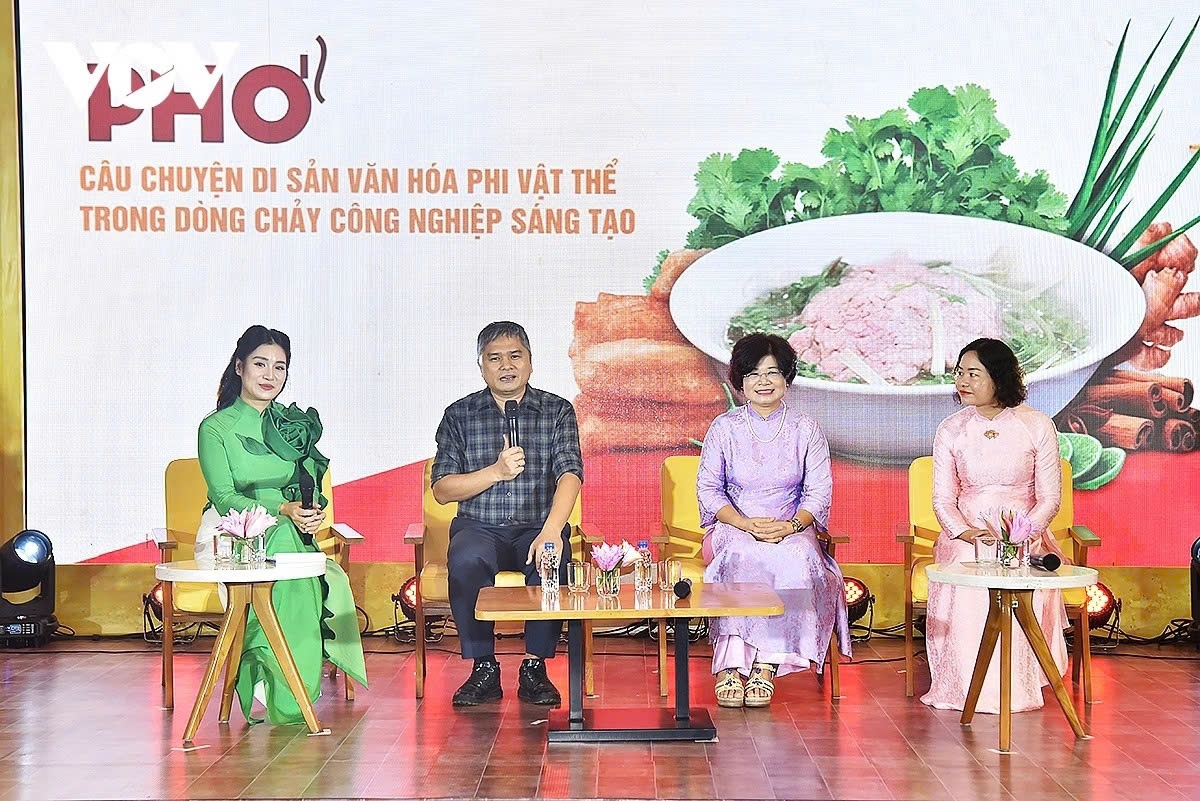
Phở has evolved far beyond its origin as a humble everyday dish. Today, it stands as a national cultural symbol, officially recognised as Intangible Cultural Heritage of Vietnam and currently under preparation for nomination to UNESCO’s Representative List of the Intangible Cultural Heritage of Humanity.
From small family-run eateries in Hanoi and Nam Dinh to Vietnamese restaurants across Europe, North America and Asia, phở has become one of Vietnam’s most recognisable cultural ambassadors in the global creative economy.
In 2024, Hanoi-style phở and Nam Dinh-style phở were officially inscribed on Vietnam’s National List of Intangible Cultural Heritage by the Ministry of Culture, Sports and Tourism. The recognition highlights not only the dish itself, but also the traditional knowledge, craftsmanship and cultural practices surrounding its preparation and consumption.
Vietnamese authorities are now developing a dossier to propose phở for UNESCO recognition, positioning it alongside other emblematic cultural forms such as water puppetry. International recognition has already followed: CNN Travel listed Vietnamese phở bò (noodle soup with beef) among the World’s Top 20 Soups, while TasteAtlas ranked phở among the world’s best meat-based broths, affirming its place on the global culinary map.
For Vietnamese people, phở is inseparable from memory, place and daily life. In Hanoi, phở reflects a refined culinary philosophy: restraint, balance and depth of flavour. A traditional bowl typically features soft rice noodles, thinly sliced beef, fresh spring onions and a clear, aromatic broth lightly scented with cinnamon, star anise and cardamom.
Unlike southern-style phở, which is often served with a wide selection of herbs and condiments, Hanoi’s phở places emphasis on the natural sweetness of slow-simmered beef bones and carefully measured spices. The result is a dish that is understated yet deeply satisfying.
According to long-time phở makers, the broth is the soul of the dish. Beef bones are cleaned, blanched and simmered for many hours with grilled ginger, onions and spices. The broth must be clear, naturally sweet and delicately fragrant - never overpowering.
“Phở is not just about cooking techniques. It requires cultural sensitivity and experience,” said a veteran phở shop owner in Hanoi. “A slight imbalance in the broth is enough to ruin the entire bowl.”
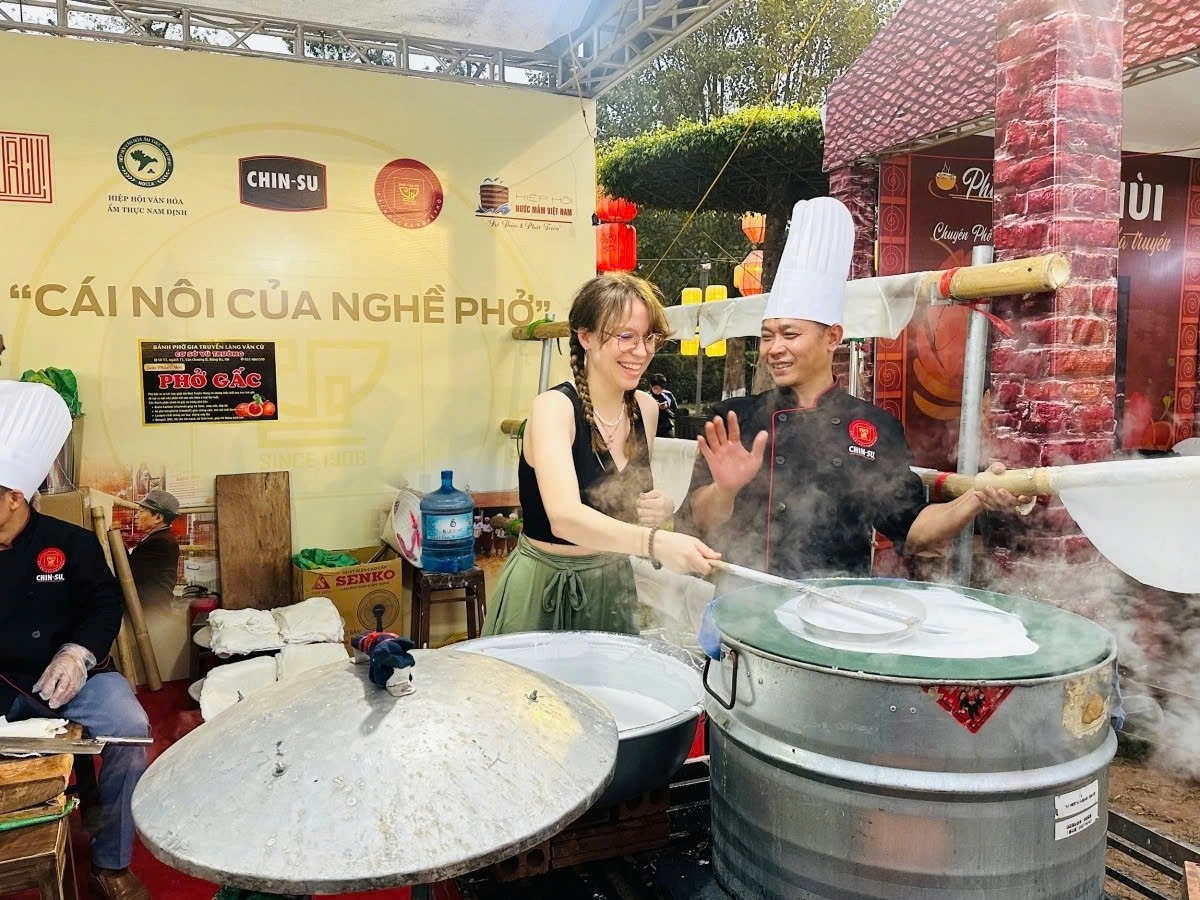
Artisan cooks stress that phở-making is a form of inherited knowledge passed down through generations.
“Each family has its own method, but the principles are the same: patience, precision and respect for the ingredients,” said a phở artisan from Nam Dinh, widely regarded as one of the birthplaces of the traditional dish.
Renowned culinary expert Pham Thi Anh Tuyet, who has introduced Vietnamese cuisine to numerous international guests and diplomats, noted that foreign diners are often struck by phở’s harmony and lightness.
“Many international guests are surprised by how comforting and balanced phở is. Through one bowl, they gain an intuitive understanding of Vietnamese culture,”
she said.
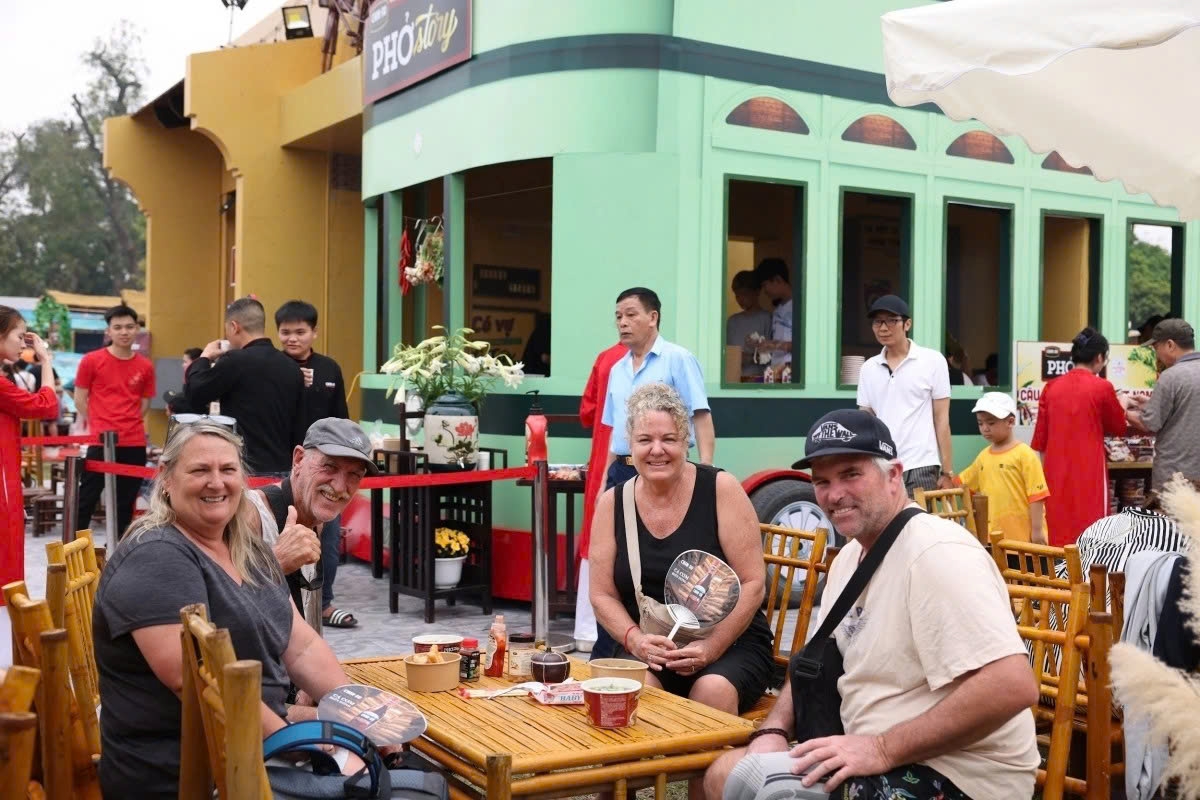
In recent years, phở has become a central feature of Vietnam’s culinary diplomacy. One of the most prominent initiatives is Phở Week in Europe, a large-scale campaign held in December 2025 involving more than 230 Vietnamese restaurants across 21 European countries, as well as Japan and Vietnam.
Organised in connection with Phở Day (December 12), the event introduced phở to a broad international audience, including local residents and tourists unfamiliar with Vietnamese cuisine.
Vietnamese Ambassador to Germany Nguyen Dac Thanh described Vietnamese restaurants abroad as “silent ambassadors”.
“Nearly one million Vietnamese live and work across Europe, supported by around 4,000 Vietnamese restaurants. Through phở and other dishes, they help bring Vietnamese culture closer to the world,” he said.
At events held in cities such as Berlin and Sofia, phở tastings attracted strong interest from local communities. Many international diners described the dish as “comforting”, “balanced” and “deeply cultural” - qualities that transcend language and geography.
Today, phở is no longer viewed solely as a traditional dish. It has become a creative cultural product, integrated into tourism, festivals, branding campaigns and digital media. Phở festivals, culinary tours, international food weeks and global media coverage all contribute to positioning phở within Vietnam’s growing creative cultural industries.
Phở’s international success demonstrates how living heritage can be preserved while adapting to contemporary global contexts. As Vietnam advances its UNESCO nomination, phở stands as a compelling example of how traditional culture can evolve, connect communities and generate cultural value beyond national borders.
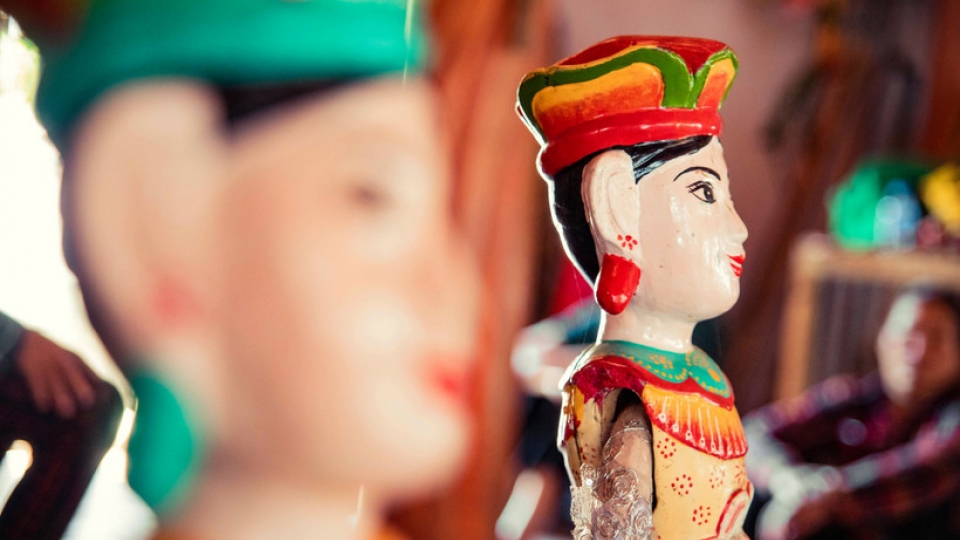
VOV.VN - The Ministry of Culture, Sports and Tourism has approved a plan to organize the International Puppetry Festival 2025 in northern Quang Ninh province this November.
Bình luận
Bình luận của bạn sẽ được xét duyệt trước khi đăng
Đang tải bình luận...